salakhalimun.com – The first thing you notice when stepping into the rainforest of Mount Salak Halimun is not what you see, but what you feel. The air is heavier here, thick with moisture and the scent of wet leaves. The ground is soft underfoot, layered with years of fallen branches and moss. Somewhere beyond the trees, a river hums steadily, while cicadas pulse like a living heartbeat. This forest does not reveal itself all at once, and it certainly does not follow straight lines.
Many visitors arrive holding maps on their phones or folded paper guides marked with neat trails and clean symbols. Yet within minutes, they realize something important. The forest does not care about lines drawn by humans. Paths fade, rivers shift, fallen trees create new routes, and mist erases familiar landmarks. In Salak Halimun, knowledge does not come from paper or screens. It comes from time, memory, and a deep relationship with the land.
The Forest Is Alive and Always Changing
Maps assume stability. They assume that trails remain where they were drawn and that landmarks stay fixed. In a rainforest like Salak Halimun, this is rarely true. Heavy rains reshape the soil. Landslides quietly alter slopes overnight. A river that was shallow last month can become swift and dangerous after days of rain. Bamboo groves collapse, opening new clearings while closing old paths.
Local guides walk these forests week after week, season after season. They notice when the ground begins to soften in certain valleys, warning of potential slips. They know which streams rise fastest during afternoon rainstorms. This knowledge is not written anywhere. It lives in the body, stored through experience and careful attention.
When a guide pauses on the trail and listens, it is not hesitation. It is reading the forest. The sound of water, the silence of birds, even the way the wind moves through leaves can signal changes ahead. No map can capture this living language.
Trails Are Stories Passed Down, Not Just Routes
Many of the paths in Mount Salak and Mount Halimun were not designed for tourism. They began as routes used by farmers, resin collectors, and forest guardians long before the area became a national park. Each trail carries stories of survival, ritual, and daily life.
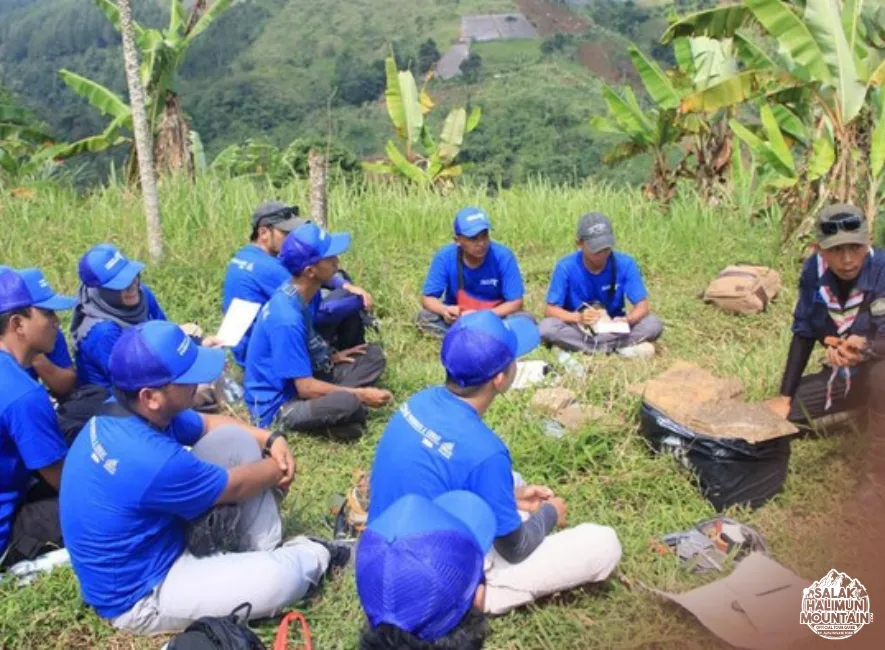
Local guides often learned these paths as children, walking behind parents or elders, carrying supplies, or helping tend small forest gardens. They remember where the ground stays dry during the rainy season and where leeches gather after storms. These memories form a mental map far richer than any printed guide.
When a guide chooses a slight detour, it is often because they remember a fallen tree from last week or a flooded crossing from yesterday. To outsiders, it may look like improvisation. In reality, it is informed decision making shaped by years of familiarity.
Understanding the Forest Beyond Direction
A map can tell you where you are, but it cannot tell you how to behave. In Salak Halimun, knowing the forest means knowing when to speak softly, when to stop, and when to move carefully. Certain areas are home to sensitive wildlife. Others are considered culturally significant by local communities.
Local guides understand these invisible boundaries. They know where hornbills often nest and when to slow down to avoid disturbance. They recognize signs of wild boar activity and adjust routes to keep visitors safe. They also know places where respect is required, where silence is more appropriate than conversation.
This awareness creates a deeper experience. Visitors do not simply pass through the forest. They learn how to exist within it, even briefly, without causing harm.
Weather Is Felt Before It Is Seen
Rain in Salak Halimun rarely arrives suddenly. The forest announces it quietly first. The air cools. The light shifts. Insects change their rhythm. A local guide senses these signs long before clouds gather overhead.
Maps cannot predict how rain will affect a specific valley or ridge. Guides know which slopes become slippery first and which streams turn dangerous. They time rest stops accordingly, choosing sheltered areas when rain is near.
This intuitive weather awareness often prevents accidents. It keeps treks comfortable rather than stressful. It also allows visitors to experience the rainforest safely, even when conditions change.
Reading Natural Landmarks That Do Not Appear on Maps
In the deep forest, navigation relies on subtle cues. A certain bend in a river. The shape of a large tree covered in thick moss. The sound of a waterfall heard before it is seen. These are landmarks known only through repetition.
Local guides recognize these signs instantly. They know when a trail is close to a hidden waterfall or when a ridge signals the approach of higher ground. Even when visibility drops due to fog, they remain oriented.
For visitors, this can feel almost magical. In reality, it is the result of long familiarity and respect for the forest’s natural structure.
The Role of Cultural Knowledge in Navigation
Mount Salak Halimun is not only a natural landscape. It is also a cultural one. Local beliefs, stories, and traditions influence how people move through the forest. Certain areas are approached with caution or reverence.
Guides understand these cultural layers. They know which paths are traditionally avoided at certain times and which places are associated with old stories passed down through generations. This knowledge shapes safer and more respectful journeys.
Maps cannot convey cultural meaning. Only local voices can explain why some routes feel different, why certain clearings invite quiet reflection, and why others are passed quickly.
Safety Comes From Relationship, Not Technology
Technology can fail in the rainforest. Batteries drain quickly in humid air. Signals disappear under dense canopy. Maps become useless when devices stop working.
Local guides rely on skills that do not require electricity. They observe terrain, listen to the forest, and adjust plans naturally. Their confidence comes from trust in their knowledge and their bond with the land.
This does not mean rejecting technology entirely. It means understanding its limits. In Salak Halimun, safety is built on human awareness and experience, not solely on digital tools.
Learning to Slow Down and See More
When guided by someone who knows the forest deeply, trekking becomes more than reaching a destination. Guides often pause to point out small details. A medicinal plant growing beside the trail. Fresh animal tracks in soft mud. The subtle scent of flowering trees.
These moments transform a walk into an education. Visitors begin to notice patterns and relationships within the forest. They understand why certain areas feel cooler or why specific plants thrive near water.
This deeper engagement is impossible when focused only on following a map. The forest reveals itself gradually to those willing to listen.
Why Maps Are Still Useful but Never Enough
Maps are helpful tools. They provide general orientation and help plan routes. However, they are static representations of a dynamic world. In Salak Halimun, relying solely on maps can lead to misunderstanding the landscape.
Local guides use maps as references, not instructions. They combine them with lived knowledge, adjusting routes based on current conditions. This balance ensures both efficiency and safety.
Understanding this difference helps visitors appreciate the value of local guidance. It is not about replacing maps, but about enriching them with real experience.
Responsible Trekking Through Local Knowledge
Guides play a key role in protecting the forest. They encourage visitors to stay on appropriate paths, minimize noise, and respect wildlife. They explain why certain behaviors harm fragile ecosystems.
This guidance fosters responsible trekking. Visitors leave with a better understanding of how their actions affect the rainforest. They become partners in conservation rather than passive observers.
Maps cannot teach ethics. People can.
Walking With Someone Who Belongs Here
There is a quiet confidence in walking beside a guide who belongs to the forest. Their movements are natural. Their pace adapts to terrain and group energy. They know when to rest and when to push forward.
This presence creates trust. Visitors relax, knowing they are in capable hands. The journey feels less like an expedition and more like a shared walk through a living home.
In Salak Halimun, this connection makes all the difference.
The Forest Remembers Those Who Respect It
Local guides often say that the forest responds to how it is treated. Those who move respectfully encounter fewer difficulties. Those who rush or ignore signs often face challenges.
This belief reflects a deep respect for nature. It reminds visitors that the forest is not an obstacle to conquer, but a place to engage with thoughtfully.
By following local guidance, visitors align themselves with this philosophy.
Why Experience Will Always Outshine Paper
At the end of a trek, many visitors realize that the most valuable guidance they received was not directional. It was contextual. They learned how the forest breathes, shifts, and responds.
This understanding stays with them long after the journey ends. It changes how they view other forests and natural spaces.
Maps may show paths, but local guides reveal meaning.
As the trail leads back toward the forest edge, the sounds soften, and the air grows lighter. The experience lingers not as a route completed, but as a relationship formed.
So, if you’re ready to explore the wonders of Mount Salak Halimun, head over to our ONLINE BOOKING PAGE and let’s start planning your adventure.
Or simply CLICK THIS LINK to chat with us on WhatsApp.
With our team, you’re not just getting a guide; you’re gaining a local friend who will ensure your trip is nothing short of extraordinary.