salakhalimunmountain.com – There is a quiet lesson the forest of Mount Salak Halimun teaches patiently, again and again, to those willing to slow down.
It is not written on trail signs. It is not explained during safety briefings. It cannot be learned by reading maps or watching videos. You learn it only when you stop talking.
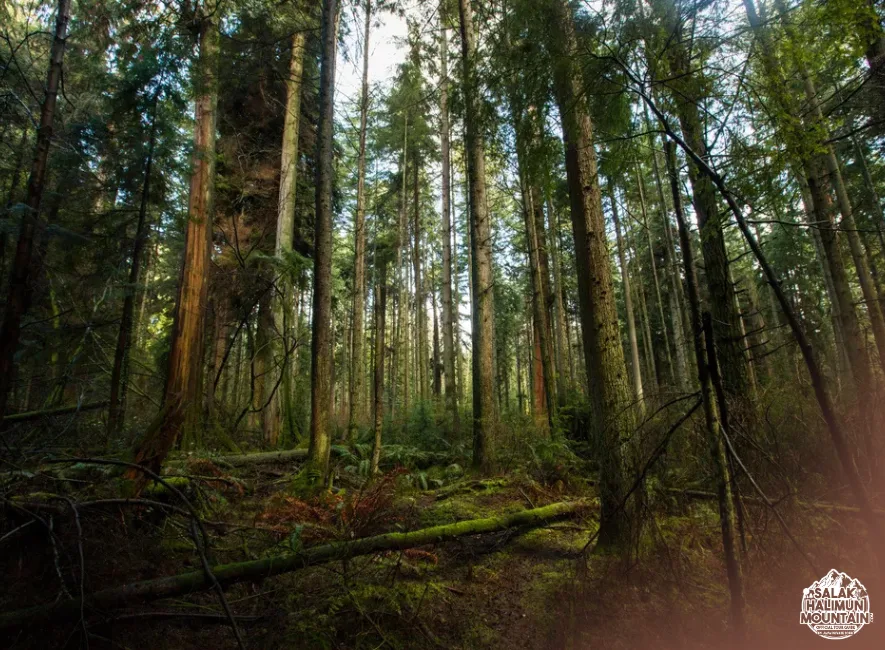
The moment your voice fades into the damp air, something extraordinary happens. The rainforest, which may have seemed silent or distant before, gently opens itself. Sounds emerge from every direction — above, below, behind moss-covered trunks, and deep within the undergrowth. It is not loud. It is not dramatic. It is layered, subtle, and alive. In Halimun–Salak National Park, silence is not emptiness. Silence is an invitation.
The First Sound You Notice Is Usually Birds
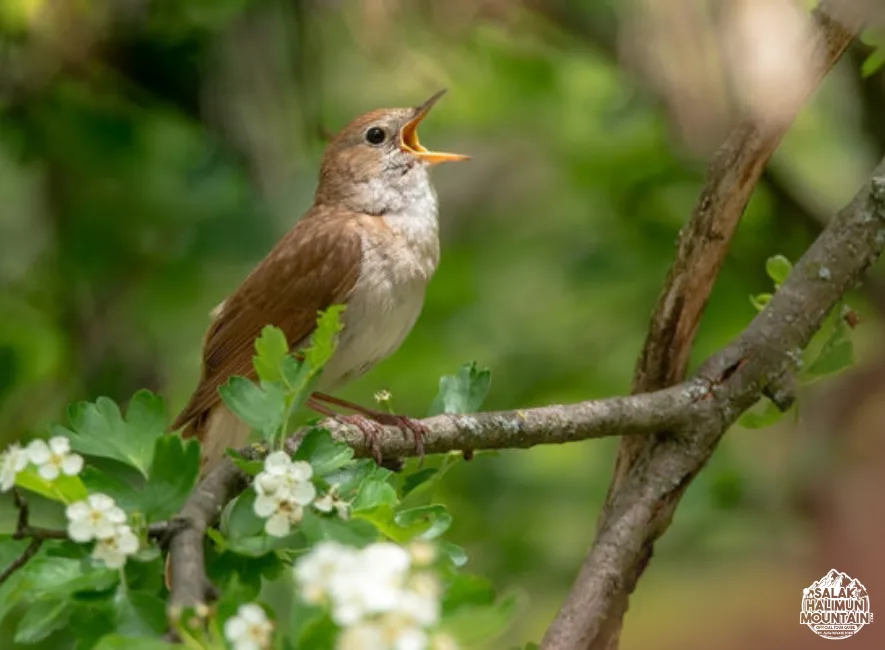
When human voices disappear, birds are often the first to step forward. In the forests of Mount Salak and Mount Halimun, birds do not sing for performance. They communicate. They warn. They claim territory. They announce rain. They greet the morning mist.
You may hear sharp, echoing calls bouncing between tall rasamala and puspa trees. Some are brief and questioning, others long and melodic. High in the canopy, unseen birds trade signals through filtered sunlight. Closer to the trail, smaller woodland birds release soft, quick notes, as if whispering to one another.
Each elevation brings different voices. Near river valleys, the calls feel brighter and more energetic. Higher up, in cooler, cloud-wrapped forest, bird sounds become slower, deeper, and more deliberate.
If you stand still long enough, you begin to recognize patterns. Morning conversations. Midday quiet. Late afternoon calls drifting through mist. The forest does not need your reply.
Wind Moving Through the Canopy Like a Slow Breath
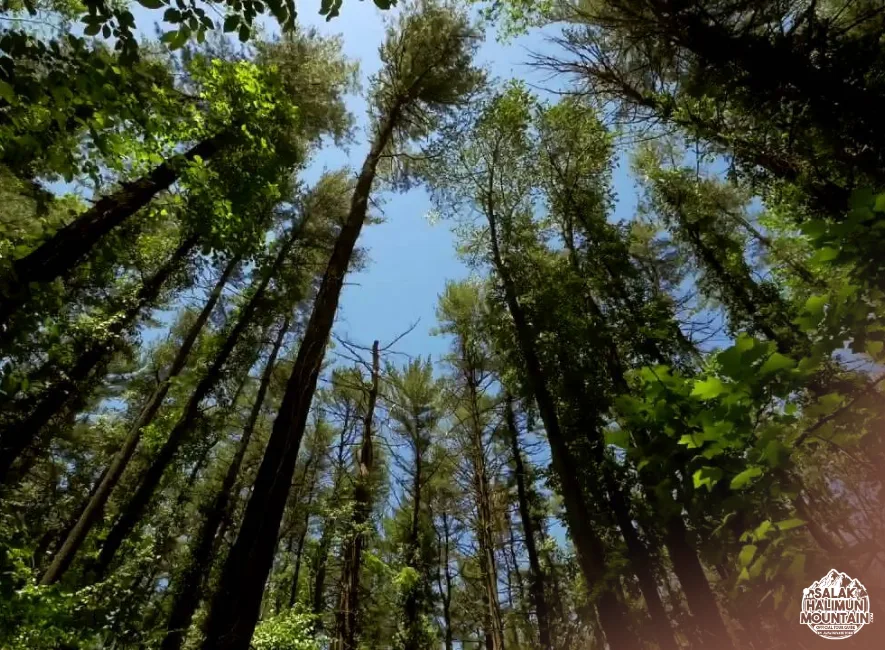
Above you, far beyond arm’s reach, the canopy is never truly still. Even on calm days, gentle air currents move through thousands of overlapping leaves. When you stop talking, the sound becomes clear — a soft, continuous shushing, like waves breaking far away.
In Mount Halimun’s primary forest, where trees grow tall and close together, the wind does not rush. It slides. Leaves brush against one another. Branches sway slowly, producing a layered hush that rises and falls.
During overcast afternoons, when clouds hang low, this sound deepens. Moist air carries it farther, wrapping the trail in a calming rhythm. It feels as if the forest itself is breathing, reminding you to slow your own pace.
Insects Create the Forest’s Constant Pulse
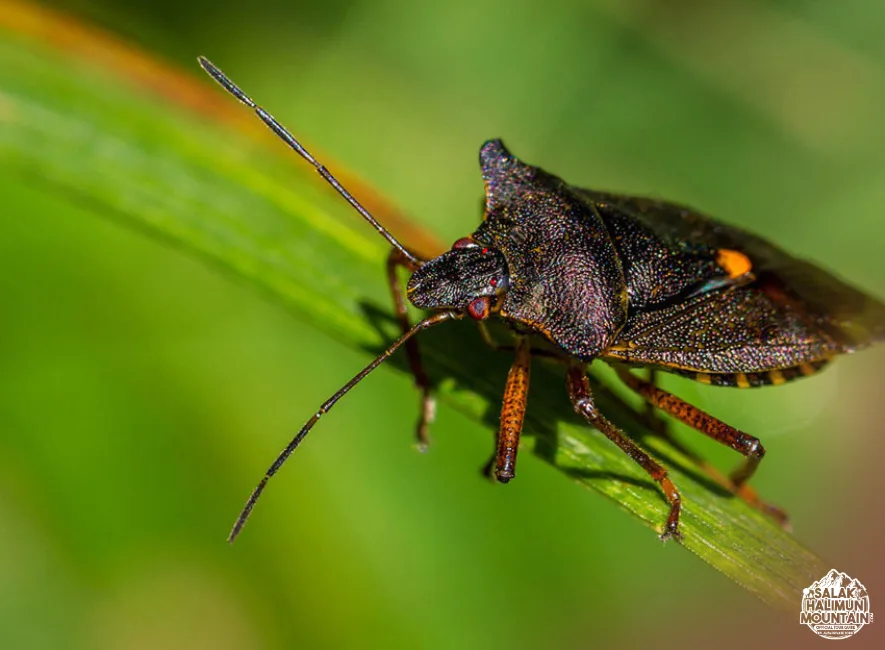
At first, insect sounds may seem overwhelming. But when you truly listen, they reveal order. Cicadas rise and fall in waves, their buzzing swelling suddenly, then fading just as quickly. Crickets add steady, rhythmic chirps beneath the higher tones. Small flies hum briefly as they pass your ear, then vanish into leaves.
In Salak Halimun, insects are never random noise. They respond to temperature, light, and humidity. As clouds move and sunlight shifts, the soundscape changes. After rain, insect calls grow louder and more complex. During cooler mornings, they remain soft and scattered.
The Sound of Water You Didn’t Know Was There
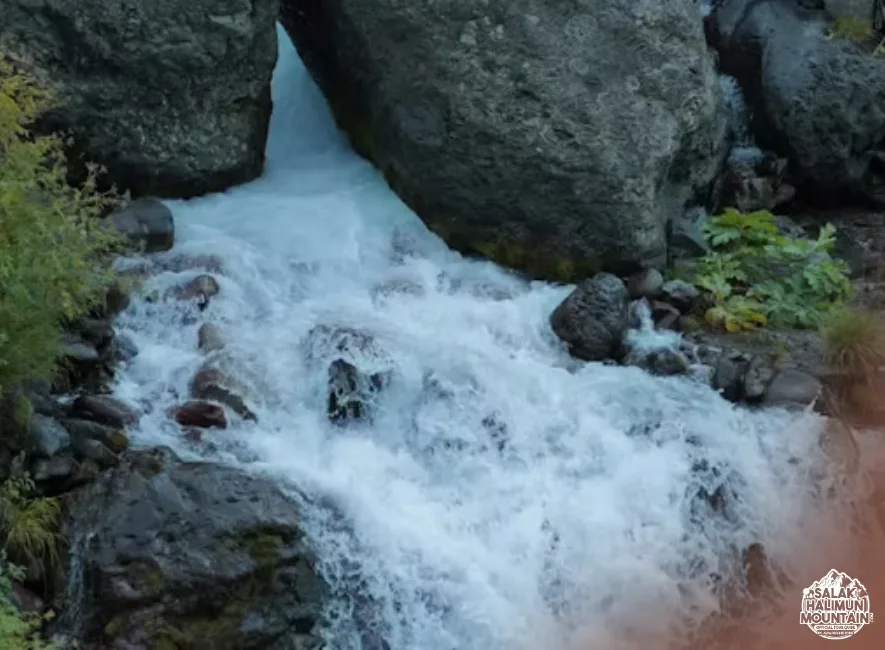
One of the most comforting discoveries after you stop talking is water. At first, it may be barely noticeable — a faint trickle beneath the hum of insects. But once you focus, it becomes clear. Somewhere nearby, water is moving.
Mount Salak Halimun is shaped by water. Springs emerge unexpectedly. Streams weave through hidden channels. Rivers cut quietly through forest valleys long before they become waterfalls.
You may hear water flowing under rocks, gurgling softly as it disappears beneath roots. In deeper valleys, distant cascades echo faintly through trees, sounding closer than they truly are.
Old Trees Speak in Creaks and Groans
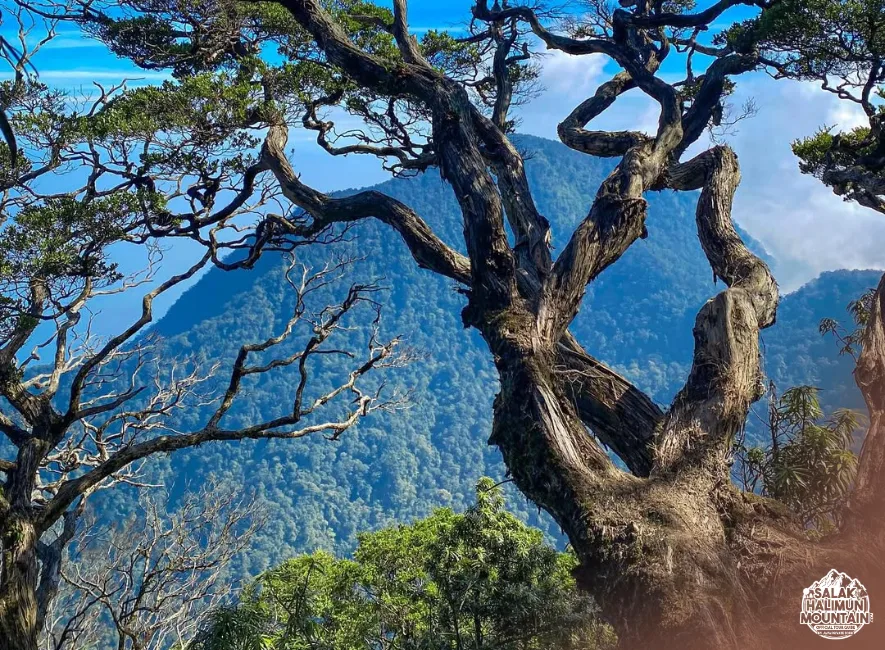
Not all forest sounds are light or delicate. Older trees, especially large hardwoods, often creak quietly as they adjust to wind and moisture. Branches rub against one another. Trunks shift subtly, producing deep, wooden groans that feel ancient.
These sounds are not signs of danger. They are signs of age and strength — trees responding naturally to movement and gravity.
Movement on the Forest Floor
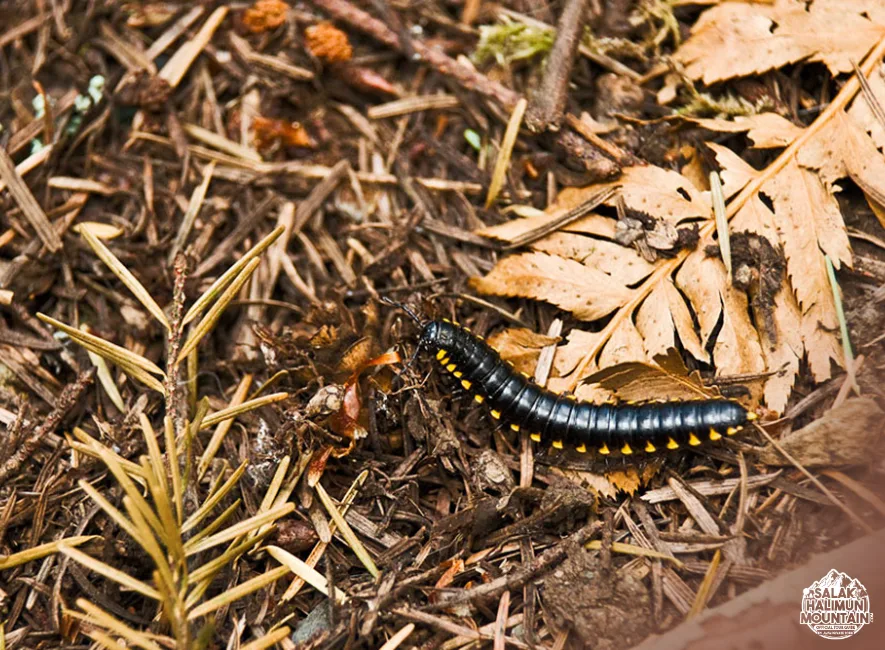
Silence sharpens awareness. Dry leaves rustle lightly. Soil shifts. Something small moves just out of sight — a lizard, a small mammal, or insects beneath fallen leaves.
These sounds remind us that humans are visitors here. Life continues at ground level regardless of who walks above it.
Hearing Your Own Breathing

Perhaps the most surprising sound you notice when you stop talking is your own breath. In the city, breathing is drowned out by engines and voices. In the forest, it returns — slow, steady, natural. Your heartbeat softens. Your shoulders relax. The forest does not heal by force. It heals by presence.
Why Silence Deepens the Trekking Experience
Talking while trekking is not wrong. But moments of intentional silence allow the forest to become a guide.
You notice trail conditions more clearly. You sense weather changes earlier. You disturb wildlife less. You move with greater care and respect. In Salak Halimun, silence is not about isolation. It is about connection.
A Forest That Speaks When We Listen
Mount Salak and Mount Halimun are not quiet places. They are deeply articulate ones. They speak through wings, leaves, water, wood, and wind — but only when we stop talking.
So, if you’re ready to explore the wonders of Mount Salak Halimun, head over to our ONLINE BOOKING PAGE and let’s start planning your adventure.
Or simply CLICK THIS LINK to chat with us on WhatsApp.
With our team, you’re not just getting a guide; you’re gaining a local friend who will ensure your trip is nothing short of extraordinary.