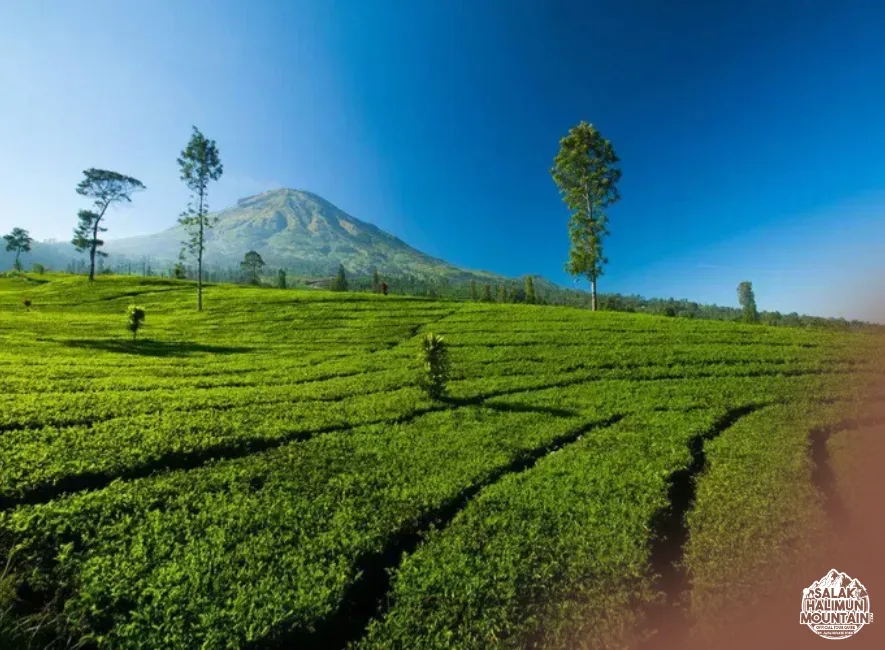
salakhalimunmountain.com – Deep within the mist-shrouded valleys that hug the borders of Mount Halimun, time seems to slow down, following the ancient rhythm of the earth rather than the ticking of a clock. Here, the dense, primary rainforest of the Halimun Salak National Park creates a protective emerald wall, shielding a way of life that has remained largely unchanged for hundreds of years. The traditional farming methods near Halimun are not just techniques for food production; they are a sacred heritage, a philosophy of living that balances human needs with the deep mysteries of the jungle. As you walk the narrow, mossy paths into the heart of these farming communities, you are witnessing a profound expression of “Kasepuhan” wisdom—a cultural commitment to the land that treats every seed, every drop of water, and every mountain breeze as a gift from the ancestors.
The Kasepuhan Philosophy of Sacred Agriculture
To understand the farming methods near Halimun, one must first understand the people. The Kasepuhan communities are the traditional guardians of this region, living by a set of customary laws that prioritize ecological balance over commercial profit. For a Kasepuhan farmer, the forest is a “leuweung titipan”—a forest entrusted to them by the Creator and the ancestors. This means that farming is never about conquest or clearing the land for mass production. Instead, it is about finding the small, fertile spaces where humans can exist without disturbing the spirits of the trees. Their agriculture is a form of worship, where every planting and harvesting cycle is preceded by communal prayers and ceremonies to ensure that the mountain remains in harmony.
Leuweung Titipan: The Forest as a Sanctuary
The boundary between the farm and the wild forest near Halimun is intentionally blurred. Unlike modern industrial farms that create vast, empty plains, traditional Halimun farms exist as “forest gardens.” Large, ancient trees are often left standing in the middle of cultivated plots, providing shade and maintaining the moisture of the soil. The roots of these forest giants act as a natural skeleton for the mountain slopes, preventing the heavy tropical rains from washing away the precious volcanic topsoil. By keeping the forest intact within their farms, the villagers ensure that the springs remain pure and the wildlife, from the silvery gibbon to the vibrant forest birds, continues to thrive alongside the crops.
The Ancient Art of Huma: Dry Rice Cultivation
While much of Java is famous for its flooded rice terraces, the communities near Mount Halimun maintain the rare and ancient practice of “huma,” or dry rice cultivation. This method is a direct adaptation to the steep, rugged terrain of the Halimun ridges where building massive irrigation systems would be impossible without destroying the forest. In huma farming, the rice is planted on the slopes, relying entirely on the mountain’s natural rainfall and the inherent fertility of the volcanic earth. It is a slow, patient process that requires a deep knowledge of the soil’s health. A plot is often used for one or two seasons and then left to rest for several years, allowing the forest to reclaim it and restore its nutrients before it is used again.
Paddy Varieties You Won’t Find in a Store
Because these traditional farming methods near Halimun have been protected from modern commercial pressures, the region has become a living museum of rice biodiversity. The villagers grow dozens of traditional “heirloom” varieties of rice—black rice, red rice, and fragrant white grains that have been handed down through families for centuries. These varieties are incredibly resilient; they have adapted to the specific pests, mountain mists, and soil conditions of Halimun. While they take longer to grow than modern “miracle” rice, their flavor is deeper, their nutritional value is higher, and they can be stored in traditional wooden granaries, or “leuit,” for decades without spoiling.
The Leuit: A Symbol of Food Sovereignty
As you enter a village near Halimun, the first thing you might notice are the beautiful, stilted wooden structures with high-pitched thatch roofs. These are the leuit, the traditional rice barns of the Sundanese people. In Halimun, the leuit is the heart of the community’s security. Traditional law forbids the selling of rice; the harvest is intended to feed the family and the village, ensuring that no one ever goes hungry, even during a poor growing season. This focus on food sovereignty rather than profit is one of the most powerful aspects of their traditional farming methods. It fosters a culture of sharing and communal labor, known as “gotong royong,” where the entire village comes together to help a neighbor harvest their crop.
Sustainable Pest Management through Ritual
In a world of chemical pesticides, the farmers near Halimun rely on a combination of natural deterrents and spiritual rituals. They use local plants with insect-repelling properties, such as lemongrass and neem, to protect their crops. However, they also believe that the health of the farm depends on the farmer’s behavior. If a farmer respects the forest and follows the ancestral rules, the mountain will protect the crop from pests. This perspective creates a self-regulating system where the environment is never poisoned, and the water flowing from the Halimun peaks remains clean enough to drink directly from the stream. It is an organic system that existed long before the word “organic” became a trend.
The Forest Garden: A Multi-Story Harvest
Traditional Halimun farming is not limited to rice. The “pekarangan” or home gardens and the forest edges are filled with a staggering variety of food and medicine. Beneath the canopy of durian and mangosteen trees, you will find coffee bushes, ginger, turmeric, and various forest tubers. This multi-story approach ensures that there is always something to harvest, regardless of the season. It creates a landscape that is both a productive farm and a thriving habitat. To walk through a Halimun forest garden is to see a pantry that is always full—provided you know which leaf to pick and which root to dig. This diversity is the key to the villagers’ health and their independence from the outside world.
Tools Carved from the Earth
The tools used in these traditional farming methods near Halimun are as humble and sustainable as the methods themselves. You won’t find tractors or heavy machinery here. Instead, you see the “ani-ani,” a small hand-held blade used to harvest rice one stalk at a time. This traditional tool is used out of respect for the rice goddess, Dewi Sri, ensuring that the plant is not “wounded” by a heavy scythe. The “parang” (machete) and the “pacul” (hoe) are the only other essentials, often forged by local blacksmiths using techniques passed down through generations. These simple tools allow the farmer to work the land with a light touch, leaving the structure of the mountain undisturbed.
Preserving the Wisdom of the Ancestors
Today, as the modern world creeps closer to the edges of the National Park, these traditional farming methods near Halimun face new challenges. However, the Kasepuhan communities remain steadfast in their commitment to their heritage. They understand that their way of life is the reason the forest still stands. By continuing to farm in the way of their ancestors, they are protecting the biodiversity of one of Java’s last great wildernesses. At Salak Halimun Mountain, we believe that there is so much for the modern world to learn from these mountain guardians—lessons in sustainability, community, and the true meaning of wealth.
Experience the Living Heritage of Halimun
We invite you to step into this world with us. Our treks into the Halimun region are designed to introduce you to the people and the practices that make this place so special. You will have the chance to sit inside a traditional home, share a meal of heirloom rice grown on the nearby slopes, and see the leuit that have stood for generations. It is an experience that goes beyond mere sightseeing; it is a journey into a more conscious way of being. You will see how the people of Halimun have turned the act of farming into a beautiful, sustainable dance with the rainforest, a dance that continues to this day under the watchful gaze of the mountain peaks.
So, if you’re ready to explore the wonders of Mount Salak Halimun, head over to our ONLINE BOOKING PAGE and let’s start planning your adventure. Or simply CLICK THIS LINK to chat with us on WhatsApp.
With our team, you’re not just getting a guide; you’re gaining a local friend who will ensure your trip is nothing short of extraordinary.