salakhalimunmountain.com – When you explore the nuances of Halimun vs other national parks in Java, you quickly realize that you are comparing the “silent giant” of the west with the more famous volcanic icons of the east. While parks like Bromo Tengger Semeru or Ijen are defined by their open, lunar-like landscapes and massive human footfalls, the Mount Halimun Salak National Park is a sanctuary of density and depth. It is one of the last remaining bastions of primary lowland rainforest on the most populated island in the world. To step into Halimun is to leave behind the well-trodden tourist trails of Central and East Java and enter a world where the heavy rainforest air is thick with the scent of wild orchids and the ancient calls of the Javan gibbon. As a guide, I see Halimun as the soul of the Javanese wilderness—a place where the nature doesn’t just surround you, it envelops you in a vibrant, mossy embrace that is increasingly rare elsewhere on the island.
The Density of Primary Rainforest
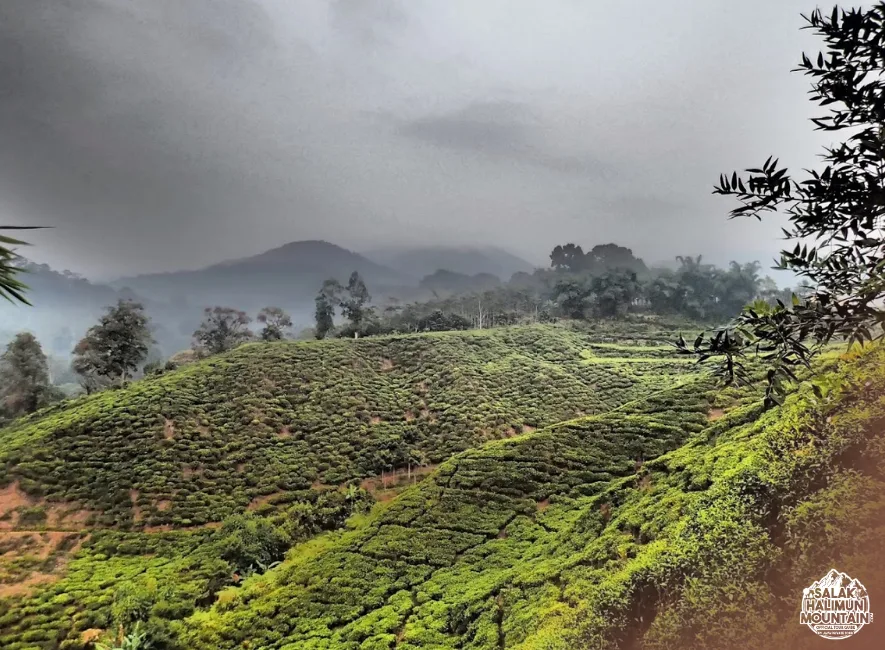
The defining feature in the Halimun vs other national parks in Java comparison is the sheer intactness of its forest. While many parks in Java have suffered from fragmentation, Halimun remains a massive, contiguous block of green. Unlike the sub-alpine shrublands of Mount Gede or the savannahs of Baluran, Halimun is a classic tropical jungle. Here, the Altingia excelsa trees form a massive, unbroken roof, creating a world of dense canopy light where only the most resilient flora thrives on the forest floor. This density creates a microclimate that is cooler and moister than the surrounding regions, making every trek feel like a journey into a living greenhouse. It is a vertical world, where life exists in layers from the soft mud trails to the highest branches.
For the true naturalist, this density is a treasure. In many Javanese parks, the landscape has been altered by human activity or volcanic fire, but in the heart of Halimun, the forest feels eternal. You will find giant tree ferns that look like relics from the Jurassic period and moss covered rocks that have likely not seen the sun in decades. When you weigh Halimun vs other national parks in Java, you are choosing between “scenery” and “immersion.” Halimun doesn’t offer the wide-angle, open vistas of a park like Merapi; instead, it offers an intimate, sensory-rich experience where the detail is the destination. It is a place for those who want to hear the forest breathe and see the subtle play of light through a thousand different shades of green.
Wildlife: A Refuge for the Endemic
In the debate of Halimun vs other national parks in Java, the wildlife encounter is where this park truly shines. Because the forest is so large and undisturbed, it serves as a critical refuge for Java’s most endangered species. It is one of the best places on the island to spot the Javan gibbon (Owa Jawa) in the wild, as well as the elusive Javan leopard. While you might see macaques in any park in Java, the species diversity in Halimun is on another level. The air is filled with the calls of the Javan hawk-eagle and the vibrant flashes of endemic songbirds. This isn’t a “safari” experience; it is a real, raw encounter with animals in their natural, complex habitat.
Trekking in Halimun requires a different kind of patience compared to the more open parks. You learn to listen for the rustle of the canopy or the specific hoot of a primate. This level of engagement is what makes the Halimun vs other national parks in Java experience so unique. In parks like Ujung Kulon, the wildlife is often coastal or focused on the rhinos; in Halimun, the life is everywhere—in the trees, under the leaves, and across the rushing rivers. It is a place of constant biological discovery, where even a short walk can lead to a sighting of a rare orchid or a colorful jungle fowl. For those who value the “wild” in wilderness, Halimun is the undisputed king of the Javanese mountains.
The Cultural Heart: The Kasepuhan Communities
What truly sets Halimun vs other national parks in Java apart is the presence of the Kasepuhan indigenous communities living within its borders. Unlike the more commercialized tourist hubs around Bromo or Borobudur, the villages in Halimun maintain a deep, spiritual connection to the land that has remained unchanged for centuries. The Kasepuhan people are the guardians of the forest, practicing traditional agriculture and forest management that respects the volcanic ridges and the water cycles. Visiting Halimun offers a chance to see a living cultural landscape where the people and the trees exist in a delicate, beautiful balance.
This cultural element adds a profound layer to your journey. As you navigate the road conditions around Mount Halimun, you will pass traditional wooden houses and communal rice barns (Leuit) that symbolize the community’s resilience and gratitude. The travel time between the forest and these villages is a transition between two worlds that are inextricably linked. When you compare Halimun vs other national parks in Java, you realize that Halimun offers a “humanized” wilderness that is neither exploited nor abandoned. It is a home as much as it is a park. Engaging with the local community, perhaps sharing a meal of mountain rice and spicy sambal, provides a context to the nature that makes the experience feel significantly more meaningful and grounded.
Comparing Geological Features and Terrain
Geologically, the Halimun vs other national parks in Java comparison reveals a more “weathered” and ancient volcanic landscape. While the volcanoes of East Java are often active, towering cones of ash and sand, Halimun is a complex of older ridges and hidden valleys. This results in a much higher concentration of waterfalls (curug) and fast-flowing rivers. The terrain is a maze of steep climbs and soft mud trails, requiring a different set of skills than the sandy ascents of Semeru. In Halimun, you are often trekking through water or over massive root systems, making it a more tactile and physical experience. The mountain doesn’t just stand before you; it challenges you to move through its intricate, watery veins.
The abundance of water is perhaps Halimun’s greatest gift. While parks like Baluran can be dry and harsh, Halimun is a land of perpetual moisture. The rushing rivers are the lifeblood of the region, providing cooling spots for trekkers and vital resources for the villages. In the Halimun vs other national parks in Java contest, if you love the sound of water and the sight of mist-shrouded cascades, Halimun is your paradise. Every valley seems to hold a secret waterfall, and the heavy rainforest air keeps these features lush and vibrant year-round. It is a landscape of constant renewal, where the water from the peaks feeds the rice terraces of the lowlands in a cycle that has lasted for millennia.
Accessibility and the Explorer’s Spirit
Finally, the question of Halimun vs other national parks in Java comes down to accessibility and the type of traveler you are. Halimun is not the easiest park to reach. It requires navigating narrow village arteries and rugged stone paths that test the nerves and the vehicle. This “difficulty of entry” is precisely what preserves its magic. While you can take a jeep to the rim of Bromo with hundreds of others, reaching a trailhead in Halimun often feels like a private expedition. It appeals to the explorer’s spirit—those who are willing to trade a smooth highway for a winding mountain road in exchange for true solitude and a sense of discovery.
At Salak Halimun Mountain, we specialize in bridging this gap. We provide the local experts and the logistical support to make this “unseen side” of Java accessible without losing its rugged charm. Whether you are comparing Halimun vs other national parks in Java for a weekend getaway or a deep expedition, we help you choose the paths that suit your sense of adventure. We believe that the effort to reach Halimun is a small price to pay for the reward of stepping into a world that feels entirely your own. The road ends where the real adventure begins, and in Halimun, that adventure is as deep and ancient as the forest itself.
Conclusion: Why Halimun Stands Alone
In the grand tapestry of Indonesia’s protected areas, Halimun vs other national parks in Java stands as the choice for the authentic seeker. It is the park for those who want to see the real Java—the one of mist, mystery, and deep-rooted culture. It lacks the neon signs and the souvenir stalls of the more famous peaks, and that is exactly why it is so special. It is a place to find your own rhythm, to breathe the crisp, oxygen-rich air, and to witness the raw power of a tropical rainforest in its prime. If you are looking for the heart of the island, stop looking at the maps of the east and start heading toward the green horizons of the west. Halimun is waiting.
So, if you’re ready to explore the wonders of Mount Salak Halimun, head over to our ONLINE BOOKING PAGE and let’s start planning your adventure. Or simply CLICK THIS LINK to chat with us on WhatsApp.
With our team, you’re not just getting a guide; you’re gaining a local friend who will ensure your trip is nothing short of extraordinary.