salakhalimunmountain.com – When you walk deep into the emerald shadows of the West Javanese highlands, a spicy, aromatic scent often rises to meet you before you even see the source. Discovering wild ginger species in Halimun Forest is one of the most rewarding sensory experiences for any nature lover, as these vibrant plants thrive in the humid, shaded understory of the primary rainforest. While the giant ferns and ancient trees dominate the skyline, the forest floor is a treasure trove of the Zingiberaceae family, ranging from the famous torch ginger to rare, endemic varieties found nowhere else on earth. The heavy rainforest air keeps their large, waxy leaves glossy and their exotic blooms hydrated, creating splashes of scarlet, pink, and gold against the dark green backdrop. As your guide, I want to lead you off the main soft mud trails to find these botanical gems that have served as both medicine and food for the mountain’s inhabitants for centuries.
The Majestic Torch Ginger: Queen of the Undergrowth
The most iconic encounter when discovering wild ginger species in Halimun Forest is the Etlingera elatior, or Torch Ginger. Locally known as Kecombrang or Honje, this plant is a showstopper. It grows in tall, leafy clumps that can reach several meters in height, but it is the flower that captures everyone’s attention. Rising directly from the ground on a separate stalk, the bloom looks like a flaming torch of waxy, brilliant pink or red petals. In the Halimun sector, these “torches” are a vital food source for various forest insects and even some small mammals, who are attracted to their rich nectar and pungent aroma.
The Kecombrang is also a staple of Sundanese mountain cuisine. The flower buds are often harvested from the forest edges to be used in sambals and salads, providing a unique citrusy and floral flavor that is synonymous with the region. Discovering wild ginger species in Halimun Forest like the torch ginger reminds us that the rainforest is a living pantry. When we find them in the deep wild, we admire their structural beauty and the way the dense canopy light filters through their broad leaves. They are the guardians of the dampest gullies, thriving where the mountain mist settles and the soil is thick with organic mulch.
The Hidden Blooms of the Zingiber Genus
While the torch ginger stands tall, other members of the Zingiber genus are more secretive. Discovering wild ginger species in Halimun Forest often requires looking right at the base of the ancient trees, where certain gingers produce their flowers at ground level, often partially buried in the leaf litter. These “geocarpic” blooms have evolved to be pollinated by ground-dwelling insects and small rodents. Some varieties, like the Zingiber odoriferum, emit a powerful, earthy scent that cuts through the heavy rainforest air, leading the observant trekker toward their hidden location among the moss covered rocks.
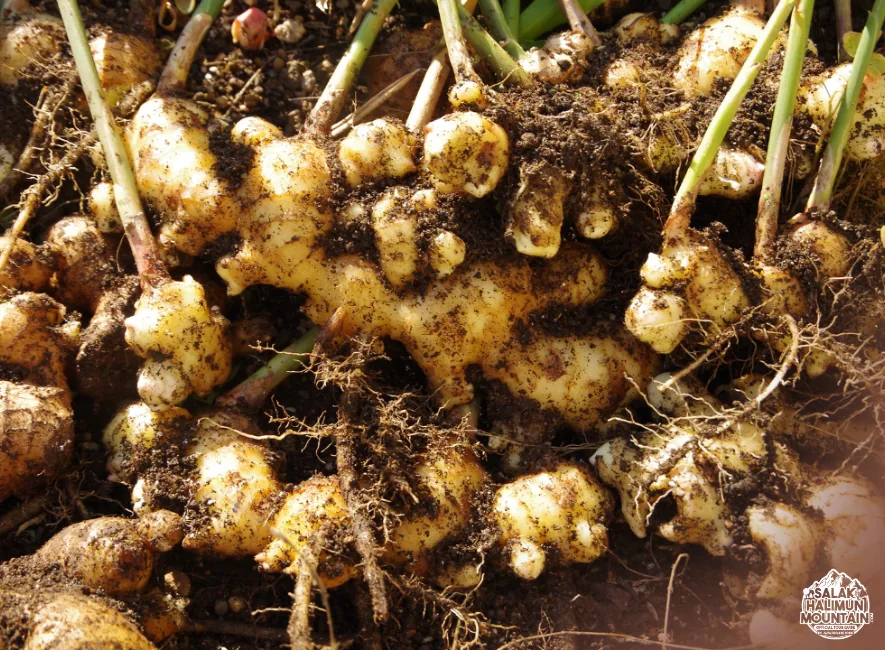
These wild gingers are masters of survival in low-light environments. Their rhizomes—the thick, underground stems—store energy and water, allowing the plant to persist even when the canopy becomes exceptionally thick. For the local Kasepuhan people, these roots are a source of traditional “Jamu” or herbal medicine, used to treat everything from stomach aches to fatigue. By discovering wild ginger species in Halimun Forest, you are connecting with an ancient botanical lineage that has been part of the human story in Java for millennia. They are the quiet, aromatic heart of the forest floor.
The Vibrant Colors of the Amomum Species
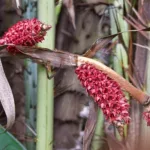
Another fascinating group you will encounter when discovering wild ginger species in Halimun Forest is the Amomum genus. These gingers are known for their intricate, often brightly colored fruit pods that grow near the ground. The pods are frequently covered in soft spines or ridges and contain seeds that have a spicy, cardamom-like fragrance. In the Halimun Salak area, these plants are essential for the local biodiversity, providing a high-energy snack for ground-foraging birds and small mammals. The contrast between the bright red pods and the dark, damp soil of the soft mud trails is a photographer’s dream.
Finding Amomum species is a lesson in forest ecology. They prefer the transition zones where a fallen tree has created a small gap in the canopy, allowing a bit more light to reach the ground. As we explore, we look for these “pockets of light” where the ginger diversity is often at its highest. Discovering wild ginger species in Halimun Forest like the Amomum shows how the forest constantly renews itself; these plants move into new spaces quickly, helping to stabilize the soil and provide cover for the next generation of rainforest life. Their spicy seeds are a reminder of the complex chemical defenses plants develop to survive in the wild.
The Giant Leaves of the Highland Gingers
One of the most striking physical features you’ll notice when discovering wild ginger species in Halimun Forest is the size of their foliage. In the heavy rainforest air of the highlands, some ginger species produce leaves over a meter long, arranged in elegant, arching fans. These massive leaves are designed to capture as much of the limited dense canopy light as possible. When it rains—which it often does in Halimun—these leaves act as giant funnels, directing water down toward the plant’s own root system. Walking through a thicket of these giant gingers feels like navigating a prehistoric landscape.
These leaves also provide a vital micro-habitat. If you look on the underside of a large ginger leaf, you might find a resting tree frog or a specialized species of butterfly seeking shelter from a downpour. Discovering wild ginger species in Halimun Forest is therefore about more than just the plants themselves; it’s about the entire community of life they support. Their architectural presence adds a layer of lushness to the mountain that is uniquely tropical. The sound of rain tapping against these waxy leaves is one of the most iconic and soothing sounds of a Halimun trek, a rhythm that defines the spirit of the misty forest.
Medicinal Secrets and Traditional Wisdom
For the local communities, discovering wild ginger species in Halimun Forest has always been a matter of health and well-being. The forest is a natural pharmacy, and the ginger family is one of its most important aisles. Different species are used for their anti-inflammatory, antibacterial, and warming properties. On our treks, we often share stories of how these plants are prepared—whether as a tea to ward off the mountain chill or as a poultice for tired muscles after a long day on the soft mud trails. This traditional wisdom adds a deep cultural layer to our botanical exploration.
We believe that sharing this knowledge is essential for the conservation of the park. When visitors understand that discovering wild ginger species in Halimun Forest is about protecting a source of medicine and culture, they become more invested in the park’s future. The ginger species are not just “weeds” of the jungle; they are valuable biological resources that have been managed sustainably by the local people for generations. Protecting the ancient trees and the heavy rainforest air is the only way to ensure this natural pharmacy remains open for the future. Every ginger root in the ground is a promise of health for the mountain.
Photography and Identification Tips
When discovering wild ginger species in Halimun Forest, a camera is your best tool for recording the diversity you find. Because many gingers have very specific, short-lived blooms, capturing them on film is a great way to contribute to our local database of forest flora. To get the best shots, we recommend focusing on the details: the texture of the waxy petals, the arrangement of the seeds, and the way the dew clings to the leaves in the heavy rainforest air. A macro lens is ideal for showing the intricate beauty that is often hidden close to the ground.
Identification can be tricky, as many species look similar when they are not in bloom. We encourage you to pay attention to the scent of the crushed leaves and the way the stems are arranged. Discovering wild ginger species in Halimun Forest is a great way to sharpen your observation skills. With the help of your local guide, you’ll soon start to recognize the subtle differences between the various genera. Whether you are a professional botanist or a casual trekker, the search for these aromatic treasures makes every mile on the mountain feel like a journey of discovery. The gingers are the spices of the Salak Halimun soul.
Conclusion: The Aromatic Soul of Halimun
As we emerge from the damp, shaded gullies where the gingers thrive, we carry with us the scent of the wild and a deeper appreciation for the forest’s smaller wonders. Discovering wild ginger species in Halimun Forest teaches us that beauty and utility often grow side-by-side in the West Javanese rainforest. From the flaming torch of the Honje to the spicy seeds of the Amomum, these plants are essential threads in the tapestry of the Halimun Salak National Park. We invite you to come and walk the misty trails with us, to breathe the heavy rainforest air, and to find the aromatic treasures hidden in the green. The forest is waiting to share its secrets.
So, if you’re ready to explore the wonders of Mount Salak Halimun, head over to our ONLINE BOOKING PAGE and let’s start planning your adventure. Or simply CLICK THIS LINK to chat with us on WhatsApp.
With our team, you’re not just getting a guide; you’re gaining a local friend who will ensure your trip is nothing short of extraordinary.