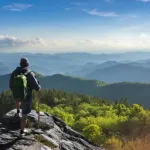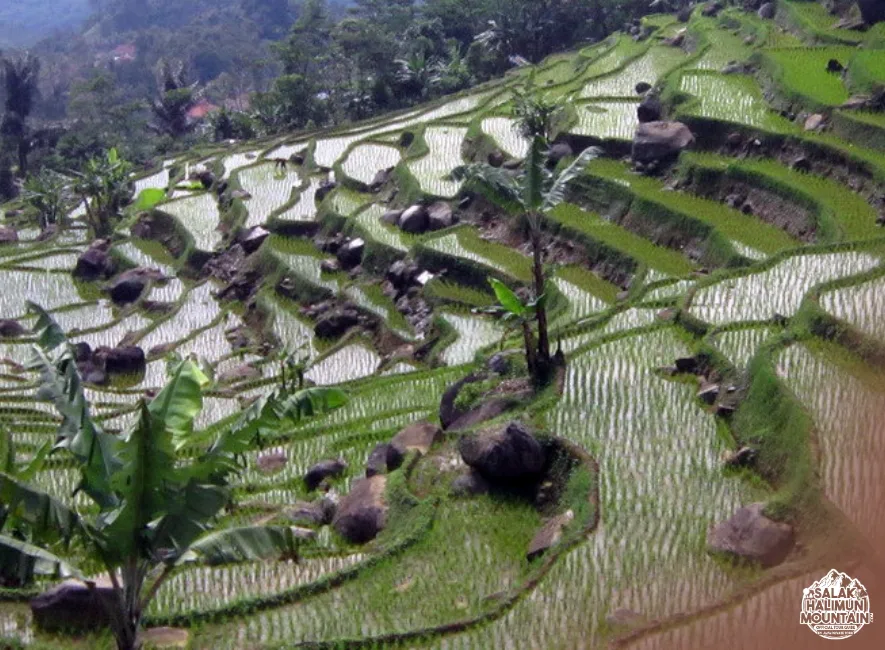
salakhalimunmountain.com – trekking around Desa Wisata Malasari does not begin with a trailhead sign or a crowded parking area. It begins quietly, often from the edge of the village itself, where footpaths slip between rice fields and disappear into forest shade. The air grows cooler here. The light softens. The rainforest closes in without ceremony.
This is not trekking designed for speed or spectacle. It is walking with attention, guided by people who know when to pause, when to listen, and when to turn back. Around Malasari, nature experiences are not collected. They are encountered.
Forest Trails That Follow the Land
The forest trails near Desa Wisata Malasari have been shaped by generations of movement rather than modern planning. These paths curve naturally around tree roots, follow ridgelines that drain water safely, and descend gently toward rivers without cutting through fragile ground.
Some trails are narrow, softened by years of leaf fall. Others widen briefly where villagers once carried harvests or bamboo. None are artificial. Every turn reflects an understanding of the forest’s behavior.
Walking these trails requires patience. Mud can be deep after rain. Fallen branches may slow progress. This is part of the experience.
Why These Trails Feel Different
Unlike mass trekking destinations, Malasari’s trails are not cleared aggressively or reinforced with concrete. This preserves soil health and prevents erosion.
The result is a walk that feels alive, changing slightly with every season.
Rivers That Shape the Journey
Water is never far from the trails around Malasari. Clear streams emerge from forest slopes, flowing quietly at first before joining larger rivers that cut through valleys below.
Crossings are often simple. Stepping stones. Fallen logs. Shallow wades where cold water reaches the ankles. Guides choose routes carefully, especially during the rainy season when water levels rise quickly.
These rivers are not attractions to conquer. They are lifelines, feeding irrigation channels and sustaining wildlife.
Listening to the Water
Experienced guides listen to the river’s sound. A deeper tone can signal rising levels upstream. A sudden silence can mean debris blocking flow.
Moving responsibly means paying attention.
Hidden Waterfalls and Forest Pools
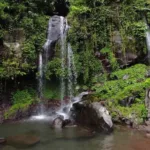
Several waterfalls lie within trekking distance of Desa Wisata Malasari, though few are marked or named formally. Reaching them often requires crossing streams and following subtle changes in sound rather than signs.
These waterfalls are modest in size but powerful in presence. Water spills over dark rock faces covered in moss and ferns. The air cools instantly. The forest grows quieter.
Swimming is sometimes possible, but always depends on conditions. Guides assess water depth, current strength, and recent rainfall before allowing entry.
Why These Places Are Not Advertised Loudly
Limiting exposure protects these sites from overcrowding and damage. Their value lies in intimacy, not scale.
Visitors who reach them do so respectfully.
What Sets Malasari Apart From Mass Trekking Destinations
Many trekking locations offer convenience. Clear signage. Wide paths. Predictable experiences. Malasari offers something else.
Here, trekking is shaped by the forest, not imposed upon it. Group sizes remain small. Routes adjust to weather and wildlife movement. Silence is encouraged.
There are no viewing platforms or staged photo spots. What you see depends on timing, attention, and luck.
Trekking as Relationship
In Malasari, trekking is not about reaching a point. It is about moving respectfully through space that supports life.
This mindset changes everything.
Wildlife Encounters and Forest Sounds
Wildlife around Desa Wisata Malasari is rarely obvious. It reveals itself through sound first.
Bird calls echo through the canopy. Insects pulse in rhythmic waves. Leaves rustle with unseen movement. Amphibians call near streams.
Occasional sightings reward patience. A bird flashing color between branches. A macaque observing from distance. Footprints pressed into soft ground.
Encounters are brief and unforced.
Why Silence Matters
Noise pushes wildlife away and disrupts behavior. Guides often signal for quiet during certain sections of trail.
Listening becomes part of the experience.
The Importance of Guided Trekking
Guided trekking is essential around Desa Wisata Malasari. This is not due to difficulty alone, but responsibility.
Guides understand forest boundaries, seasonal risks, and cultural sensitivities. They know which trails are safe after rain and which should be avoided. They recognize signs of wildlife presence and respond accordingly.
More importantly, guides interpret the forest. They explain why certain trees are left untouched, why some areas are avoided, and how villagers manage resources.
Guides as Protectors
Guiding is a form of stewardship. It limits impact, ensures safety, and reinforces conservation values.
Without guides, the forest would face greater pressure.
Safety in a Living Landscape
Trekking in Malasari requires awareness. Weather can change quickly. Trails become slippery. Rivers rise without warning.
Proper footwear is essential. Lightweight rain protection is recommended even during dry months. Carrying minimal gear reduces strain on both body and trail.
Following guide instructions is not optional. It is part of mutual trust.
Knowing When to Turn Back
Responsible trekking includes knowing when not to continue. Turning back is a decision of respect, not failure.
The forest will still be there another day.
Conservation Ethics on the Trail
Every step taken in the forest leaves an impression. Responsible trekking minimizes this impact.
Stay on established paths. Do not remove plants or stones. Avoid touching wildlife. Carry out all waste.
Even organic waste can disrupt ecosystems.
Walking Lightly
The goal is to pass through without leaving a trace. This allows the forest to continue supporting both wildlife and village life.
Ethics matter here.
Nature Experiences That Stay With You
Trekking around Desa Wisata Malasari does not offer instant reward. It offers something deeper.
Moments of stillness beside a river. The feeling of damp air settling on skin. The awareness of being observed by the forest as much as observing it.
These experiences linger long after the walk ends.
So, if you’re ready to explore the wonders of Mount Salak Halimun, head over to our ONLINE BOOKING PAGE and let’s start planning your adventure. Or simply CLICK THIS LINK to chat with us on WhatsApp.
With our team, you’re not just getting a guide; you’re gaining a local friend who will ensure your trip is nothing short of extraordinary.