salakhalimunmountain.com – The deep rainforest of Mount Halimun does not stand alone as a wilderness without memory. Long before trekking routes were mapped, before conservation borders were drawn, and before the forest earned its modern name, people from Banten Kidul had already made this misty mountain their home. Since the 17th century, generations of families have lived quietly among the slopes, rivers, and dense canopy of Gunung Halimun, forming a relationship with the forest that is rooted in respect, survival, and ancestral wisdom.
As you walk beneath towering trees and hear the soft rhythm of cicadas echoing through the valleys, you are stepping into a living cultural landscape. The forest paths are not only wildlife corridors but also ancestral trails. Every river bend, bamboo grove, and moss-covered stone carries stories passed down through centuries.
Banten Kidul and the Southern Highlands of Java
Banten Kidul refers to the southern interior region of Banten, an area defined by rugged terrain, thick rainforest, and limited access from coastal settlements. While the northern lowlands of Banten were shaped by trade and political power, the southern highlands evolved differently. The mountains offered protection, isolation, and a place where traditional ways of life could endure.
Gunung Halimun, meaning misty mountain, became a natural refuge. Its high rainfall, fertile volcanic soil, and abundant water sources made it suitable for small-scale agriculture and forest-based living. For communities seeking distance from colonial pressure, political conflict, or coastal change, Halimun offered stability.
Early Settlement in the 17th Century
Historical records and oral traditions indicate that communities from Banten Kidul began settling the Halimun region in the 1600s. This period marked significant political shifts in western Java, including the weakening of the Banten Sultanate and increasing external influence. Rather than confrontation, many families chose retreat into the highlands.
Settlement was gradual and careful. Homes were built from bamboo and wood, positioned along ridges or near clean water sources. Villages were small, often hidden beneath thick vegetation, allowing residents to live in balance with the forest rather than dominating it.
Life Shaped by Rainforest Rhythms
The rainforest dictated daily life. Farming followed the seasons of rain and mist. Rice fields were small and terraced where possible, while dryland crops such as cassava, bananas, and taro were cultivated in forest clearings. People gathered forest products not for excess, but for daily necessity.
The sounds of rushing rivers marked time. Morning fog signaled planting days. Evening insect calls reminded families to return home. Living in Halimun meant listening closely and responding humbly to nature.
Traditional Knowledge Passed Through Generations
Knowledge in these communities was not written but lived. Elders taught children how to read weather patterns, recognize medicinal plants, and understand animal behavior. Certain trees were never cut. Certain rivers were never polluted. These rules were not enforced by law but by belief and respect.
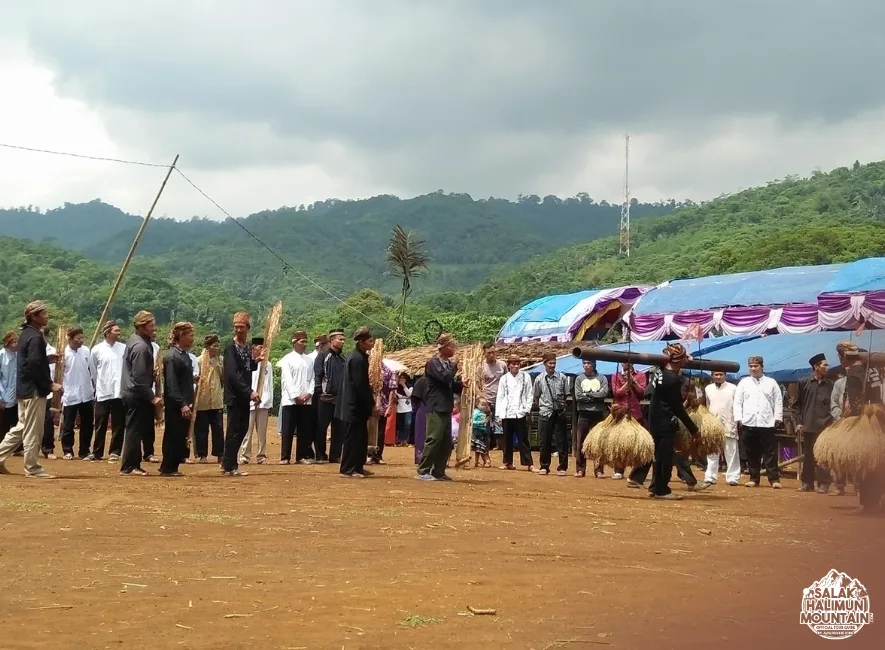
Forest spirits and ancestral presence were deeply woven into daily life. Rituals were performed before planting and harvesting. Offerings were made at sacred sites within the forest, not as superstition but as a way to acknowledge humanity’s place within a larger ecosystem.
Spiritual Connection to Gunung Halimun
For the people of Banten Kidul, Gunung Halimun is not merely land. It is a guardian. Mountains are believed to hold spiritual power, and Halimun’s constant mist reinforces its mysterious presence. Sacred locations exist throughout the forest, often marked only by stones, ancient trees, or natural clearings.
Visitors may walk past these places without noticing, but locals know them well. Respect for these sites remains strong even today, and responsible visitors are encouraged to tread carefully and follow local guidance.
Isolation as Preservation
For centuries, the remoteness of Gunung Halimun protected both its people and its forest. Limited access meant limited exploitation. Roads were few. Outside influence arrived slowly. This isolation allowed traditions to survive largely intact well into the modern era.
Unlike lowland villages that adapted quickly to external trade and administration, Halimun communities retained communal land management and strong social bonds. Decisions were made collectively, guided by elders and customary law.
Encounter with the Modern World
The 20th century brought change. Infrastructure expanded. Conservation areas were established. Gunung Halimun eventually became part of a national park, placing new regulations on land use and forest access.
For local communities, this transition required adaptation. While conservation aims to protect biodiversity, it also reshaped traditional relationships with the land. Dialogue between residents and park authorities became essential to ensure cultural survival alongside environmental protection.
Living Culture Within a National Park
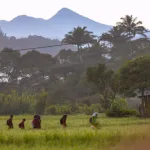
Today, villages around Mount Halimun continue to exist as living examples of sustainable forest culture. Homes remain modest. Farming remains small-scale. Rituals are still observed. Modern tools may appear, but the core values remain unchanged.
Visitors who take time to learn will discover that these communities are not relics of the past. They are active stewards of the forest, carrying centuries of ecological knowledge that modern conservation increasingly recognizes as vital.
Respectful Travel and Cultural Awareness
Trekking through Mount Halimun is more meaningful when travelers understand the human history beneath their feet. Trails are not empty. They are shared spaces shaped by generations of footsteps.
Responsible travel means listening, asking permission, following local rules, and honoring cultural boundaries. It means understanding that the rainforest is both a natural and cultural heritage.
The Legacy of Banten Kidul in Halimun Today
The presence of Banten Kidul communities since the 17th century is a testament to harmony between humans and rainforest. Their survival through political change, environmental challenges, and modernization reflects resilience rooted in respect for nature.
As mist rises from the valleys and sunlight filters through towering leaves, the legacy of these mountain dwellers continues. Gunung Halimun remains not just a protected landscape, but a living home shaped by history, culture, and deep ecological wisdom.
So, if you’re ready to explore the wonders of Mount Salak Halimun, head over to our ONLINE BOOKING PAGE and let’s start planning your adventure. Or simply CLICK THIS LINK to chat with us on WhatsApp.
With our team, you’re not just getting a guide; you’re gaining a local friend who will ensure your trip is nothing short of extraordinary.