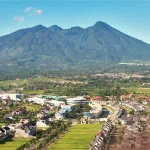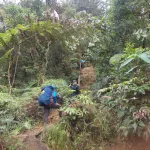
salakhalimunmountain.com – Early in the morning, as mist curls slowly through the tall rainforest trees of Mount Salak, the forest feels calm, alive, and quietly welcoming. The air is cool and damp, carrying the scent of wet earth, moss, and sulfur drifting faintly from the volcanic heart of the mountain. Cicadas pulse in the distance, river water rushes unseen below the trail, and filtered sunlight dances through layers of green.
For many visitors, especially first-time trekkers, one question always comes first: Is Mount Salak safe?
The honest answer is yes — Mount Salak can be a safe and deeply rewarding destination for a day trip, particularly to the Kawah Ratu crater, as long as you come prepared, stay on marked routes, and ideally walk with a local guide who understands the mountain’s moods.
Mount Salak is not a place to rush or underestimate. But it is not an extreme or dangerous mountain by default. In fact, for those willing to respect its nature, it offers one of West Java’s most accessible introductions to rainforest trekking and volcanic landscapes.
Understanding Mount Salak’s Reputation
Mount Salak has long carried an air of mystery. Stories of thick fog, hidden valleys, and deep jungle have shaped its reputation as a challenging mountain. Some of this comes from its complex terrain, while some comes from misunderstandings about its volcanic activity.
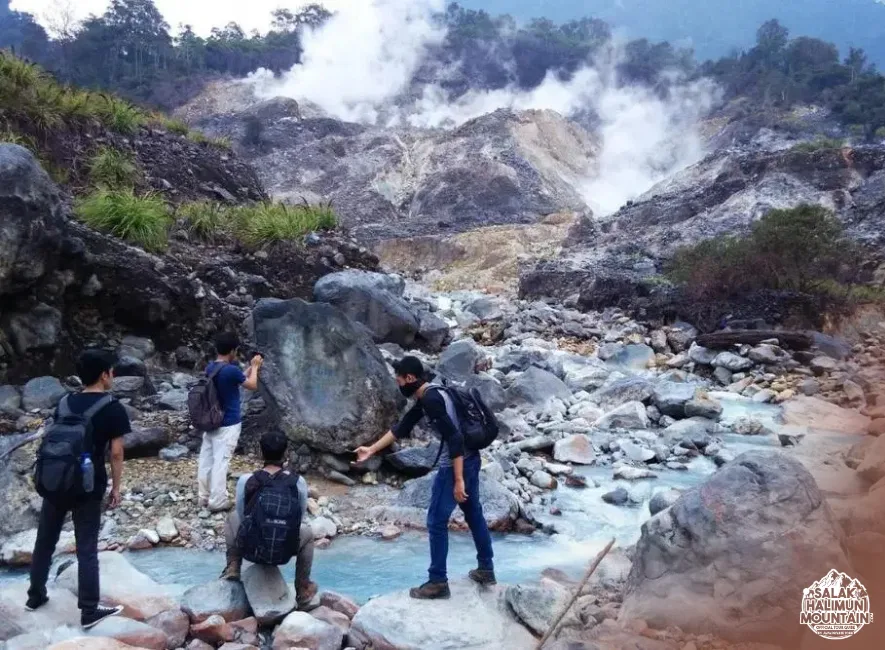
Mount Salak is not highly eruptive, and it is not inherently unsafe. The last confirmed major volcanic activity occurred in 1938, and today the mountain is closely monitored. The most visible signs of volcanic life are found around Kawah Ratu, where sulfur vents release steam and gas — a powerful reminder that the mountain is alive, not hostile.
The real risks here come not from explosions or lava, but from terrain, weather, and human error.
Kawah Ratu A Beginner Friendly Destination
For first-time trekkers, the Kawah Ratu crater is the most popular and recommended destination on Mount Salak. From the Cidahu trailhead, the trek usually takes 1.5 to 2 hours one way, depending on pace and weather.
The path winds through dense forest, crosses small rivers, and climbs gradually without extreme elevation gain. You do not need technical climbing skills or advanced hiking experience — only preparation, patience, and respect.
Who Kawah Ratu Is Suitable For
- First-time trekkers
- Casual hikers
- Nature lovers
- Photographers
- Families with older children
Safety Around the Active Crater
Kawah Ratu is an active volcanic crater. You will see steaming vents, sulfur-stained rocks, and warm air rising from the ground. These features are fascinating, but they demand caution.
What You Must Never Do
- Never enter the crater itself
- Never camp near sulfur vents
- Never ignore warning signs or patrol instructions
Past fatal incidents were caused by sulfur gas poisoning, not eruptions, and almost always involved people leaving designated paths. Staying on marked trails keeps the experience safe and awe-inspiring.
Terrain and Weather Realities
Trail Conditions
Expect muddy paths, slippery rocks covered in moss, exposed tree roots, and multiple river crossings. Proper footwear with strong grip is essential.
Rapid Weather Changes
Clear mornings can quickly shift into mist, rain, and low visibility. Fog may roll in silently, making familiar trails confusing — another reason hiking with a guide is strongly advised.
Navigation Challenges in the Rainforest
Cell service is unreliable, and GPS can be inaccurate under dense canopy. Trails can split, landmarks can disappear in fog, and forest sounds can disorient even experienced hikers.
A local guide reads weather patterns, river levels, and subtle forest signs, knowing when to proceed and when to turn back.
Wildlife Encounters Respectfully Observed
Mount Salak is rich in wildlife. You may encounter forest birds, long-tailed macaques, and countless insects. These animals are not a threat when respected.
Wildlife Etiquette
- Observe from a distance
- Never feed animals
- Avoid loud noises
- Do not chase or provoke wildlife
Essential Tips for First Time Trekkers
Hire a Local Guide
A guide provides navigation, safety awareness, weather judgment, and cultural insight — making the trek far safer and more meaningful.
Choose the Right Trail
The Cidahu route to Kawah Ratu is beginner-friendly. Summit routes such as Salak 1 are for experienced hikers only and should not be attempted by first-timers.
Hike in Groups
Avoid hiking alone. Groups offer shared awareness and faster response in unexpected situations.
Inform Someone Before You Go
Always share your route, start time, and expected return with someone outside the hike.
What to Pack for a Safe Day Trip
- Sturdy hiking shoes with good grip
- Rain jacket or poncho
- Extra dry clothing
- 1.5–2 liters of water
- High-energy snacks
- Basic first-aid kit
- Insect repellent
- Navigation tools or offline map
- Whistle and power bank
Respecting the Mountain and Local Traditions
Mount Salak is both a natural and cultural landscape. Local communities value quiet, respectful behavior. Follow leave-no-trace principles, stay on trails, and carry all trash back down.
A Safe and Meaningful First Trek
Mount Salak does not demand bravery — it asks for awareness. With proper preparation, Kawah Ratu offers a manageable challenge, deep rainforest beauty, and a powerful volcanic experience for first-time trekkers.
So, if you’re ready to explore the wonders of Mount Salak Halimun, head over to our ONLINE BOOKING PAGE and let’s start planning your adventure.
Or simply CLICK THIS LINK to chat with us on WhatsApp.
With our team, you’re not just getting a guide; you’re gaining a local friend who will ensure your trip is nothing short of extraordinary.