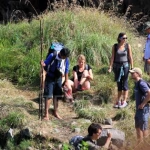
salakhalimunmountain.com – Embarking on a journey up the majestic slopes of Mount Salak is a dream for many outdoor enthusiasts, offering a passage into an ancient kingdom of dense canopy light filtering through leaves and vibrant tropical life. But behind its emerald beauty lies a formidable challenge that tests even seasoned trekkers: its relentless, near-vertical inclines. The volcanic terrain of this park features some of the most dramatic grade changes in West Java, where trails transition abruptly from soft mud paths into steep walls of exposed roots and loose stone. Learning how to prepare for steep elevations on Mount Salak hikes is the key to conquering these demanding ascents with confidence, ensuring your leg muscles and lungs are fully ready for the vertical journey ahead.
When you are climbing thousands of meters through a high-humidity primary rainforest, the physical toll on your body compounds rapidly. Every steep step requires intense core stability, leg strength, and cardiovascular endurance to push against gravity while carrying a heavy backpack. Preparing your body and mind before arriving at the trailhead transforms a potentially grueling struggle into a deeply rewarding, athletic triumph. Let us dive into the ultimate preparation strategies, combining targeted physical conditioning, local pacing techniques, and essential gear adjustments to help you master the legendary vertical ridges of our favorite volcano.
Cardiovascular Endurance Training for Extended Climbs
The steep elevations of Mount Salak will push your heart rate into high zones almost immediately after leaving the registration post. To prevent premature fatigue and keep your breathing controlled on sustained inclines, you must build a robust aerobic base weeks before your trek. High-intensity cardiovascular training is essential for increasing your lung capacity and maximizing the efficiency with which your muscles utilize oxygen. Focus on exercises that mimic the continuous, upward exertion of mountain climbing to achieve the best results.
Inclined treadmill walking, stair climbing machines, and stadium step workouts are fantastic conditioning tools for your lungs and heart. Start with moderate sessions and gradually increase both the incline and duration over a six to eight-week training cycle. If you have access to local hills or high-rise buildings, practicing real uphill walking is even better. Aim for at least three dedicated cardio sessions per week, ensuring that you simulate the sustained, uninterrupted climbing efforts you will encounter on the mountain’s steep ridges.
Simulating the Weight of Your Trail Pack
Building cardiovascular fitness on a machine is an excellent start, but hiking up steep elevations becomes a completely different challenge once you add a backpack. As your fitness improves during your training weeks, begin wearing your actual hiking pack during your step workouts or hill walks. Start with a light weight of three to five kilograms, and slowly add weight until you match the exact load you plan to carry on your actual Mount Salak expedition.
Training with a weighted pack forces your cardiovascular system to work harder while conditioning your shoulders, core, and lower back to support the load dynamically on an incline. This progressive overload ensures that when you strap on your pack at the trailhead, your body will recognize the weight and adapt instantly, preventing sudden muscle strain or early exhaustion during the critical first miles of the ascent. Progressive resistance is the secret to building authentic mountain stamina.
Building Lower Body Strength and Power
Conquering near-vertical mud trails and scrambling over massive volcanic boulders requires immense muscular strength in your lower body. Your quadriceps, hamstrings, glutes, and calves act as the primary engines that propel you upward against gravity. To prepare for the steep elevations on Mount Salak hikes, your fitness routine must include targeted strength training designed to build both explosive power and muscular endurance in these critical muscle groups.
Incorporate compound movements such as deep squats, lunges, and step-ups into your weekly gym routine. Weighted step-ups onto a high box are particularly effective, as they perfectly replicate the high-stepping motion required to clear massive tree roots and rock steps on the trail. Focus on controlled, deliberate movements, emphasizing the eccentric or lowering phase of each exercise to build the structural strength your joints need to handle both the steep uphill climb and the punishing downhill descent.
Strengthening Your Core for Total Trail Stability
While your legs provide the driving force, your core is the bridge that transfers power and maintains your balance on unstable, steep terrain. Navigating narrow ridges and twisting paths with a heavy pack requires a rock-solid midsection to prevent unneeded swaying and protect your lower back from strain. A weak core causes your posture to collapse when you get tired, which compromises your breathing and increases the risk of slipping on soft mud trails.
Add functional core exercises like planks, side planks, bird-dogs, and Russian twists to your strength sessions. Focus on exercises that require isometric holds and rotational stability, as these movements teach your abdominal and lower back muscles to stabilize your spine while your limbs are moving. A strong, resilient core gives you the precise body control needed to adjust your balance instantly when stepping onto loose volcanic gravel or slick, moss-covered roots along the steep ridges.
Ankle Mobility and Leg Conditioning
The paths of Mount Salak are rarely uniform or flat; they are a complex network of uneven surfaces, slanting ridges, and deep mud ruts. Climbing steep elevations on these surfaces places extreme demands on your ankle joints and calf muscles. If your ankles are stiff or lack mobility, your body will compensate by placing extra stress on your knees and hips, leading to rapid joint fatigue or painful tendonitis during a long trek.
To condition your lower legs, practice dedicated ankle mobility drills and calf stretches daily. Single-leg balance exercises, such as standing on a foam pad or performing single-leg Romanian deadlifts, are incredible for strengthening the tiny stabilizing muscles around your ankles and shins. Building flexible, responsive ankles improves your traction and allows your feet to adapt fluidly to the slanting angles of the mountain, reducing the risk of an unexpected rollover or sprain on technical trail sections.
The Eccentric Power of Eccentric Calf Raises
Your calves work tirelessly on steep climbs to lift your heels and push your body forward. To prepare them for hours of continuous elevation gain, incorporate eccentric calf raises into your routine. Stand on the edge of a step, lift up on both feet, and then slowly lower your heels below the level of the step over a controlled four-second count. This lengthening under tension builds immense resilience in the Achilles tendon and calf muscles, protecting them from cramping and strain when you are grinding up the mountain’s steepest volcanic walls.
Pacing Techniques and Trekking Pole Tactics
Physical fitness is only half the battle; mastering the steep elevations on Mount Salak hikes also requires a smart, tactical approach to pacing once you are on the trail. The most common mistake eager hikers make is rushing out of the gate too fast, burning through their glycogen stores in the first hour, and hitting a physical wall long before reaching the upper ridges. In the high humidity of the rainforest, sustainable pacing is your best tool for endurance.
Adopt the classic “mountain guide stride”—a slow, rhythmic, and deliberate pace where your breathing matches your footsteps perfectly. Keep your stride short and your feet low to the ground on steep inclines to conserve energy. Think of yourself as a low-gear tractor, moving steadily and systematically up the slope without stopping every few minutes. A consistent, unhurried pace keeps your heart rate stable, minimizes sweat production, and allows you to hike for hours without experiencing sudden muscle exhaustion.
Maximizing Leverage with Dual Trekking Poles
When the trail turns into a near-vertical wall of roots and mud, a high-quality pair of trekking poles becomes an absolute game-changer. Adjust your poles so they are slightly shorter than your standard length for steep uphill climbing; this adjustment allows you to plant the tips firmly ahead of you without overextending your shoulders. Lean forward slightly and push down on the poles with every step, using your upper body strength to lift a portion of your weight off your legs.
Using dual poles effectively distributes the workload across your chest, shoulders, and arms, reducing the strain on your quadriceps and knees by up to twenty-five percent. They also provide vital points of contact to help you maintain your balance on slick volcanic clay or wet logs. When clearing large steps, plant both poles securely ahead of you first, engage your core, and use the leverage to step upward smoothly. Proper pole technique turns a grueling leg workout into an efficient, full-body movement.
Hydration and Nutrition Strategy for Vertical Effort
The intense physical exertion of climbing steep elevations in a humid tropical climate causes rapid fluid and electrolyte loss through sweat. Dehydration clouds your judgment, causes severe muscle cramps, and dramatically reduces your physical power on a climb. You cannot afford to wait until you feel thirsty to drink water; by then, your body is already experiencing a performance deficit. A structured hydration schedule is vital for success on the mountain.
Carry a hydration bladder or easily accessible bottles, and take small, frequent sips of water every fifteen to twenty minutes along the trail. Always mix an electrolyte replacement powder into at least half of your water supply to replace the essential sodium, potassium, and magnesium lost through heavy sweating. Maintaining a proper fluid and electrolyte balance keeps your muscles firing smoothly and prevents the sudden onset of deep fatigue during prolonged vertical grinds.
Fueling Your Muscles with Fast-Acting Carbohydrates
Your body relies heavily on carbohydrates for quick energy when pushing up steep grades. To keep your energy levels steady and prevent your blood sugar from crashing, you need to supply your muscles with easily digestible snacks throughout the day. Instead of eating large, heavy meals that sit in your stomach and make you feel sluggish, opt for small, frequent snacks during short trail breaks.
Pack a variety of fast-acting energy sources such as energy gels, dried fruits, bananas, and complex carbohydrate bars. Eat a small snack every hour of continuous climbing to keep your glycogen stores replenished. Providing your body with a steady stream of premium fuel ensures your muscles have the constant energy needed to power through the final, steepest stretches of the volcano, allowing you to reach the summits with energy left to enjoy the magnificent views.
Preparing thoroughly for the steep elevations of Mount Salak is a profound act of respect for the mountain and your personal safety. By committing to a targeted conditioning routine, perfecting your pacing, and fueling your body properly, you transform the mountain’s vertical challenges into an exhilarating and memorable adventure. You will stand on the high ridges not as an exhausted visitor, but as a resilient, confident explorer who has truly earned the breathtaking vistas of Java’s premier wilderness. Train hard, prepare with purpose, and let the mountain elevate your spirit.
So, if you’re ready to explore the wonders of Mount Salak Halimun, head over to our ONLINE BOOKING PAGE and let’s start planning your adventure. Or simply CLICK THIS LINK to chat with us on WhatsApp.
With our team, you’re not just getting a guide; you’re gaining a local friend who will ensure your trip is nothing short of extraordinary.