salakhalimunmountain.com – Trekking through the rain-drenched wilderness of Mount Halimun Salak National Park means operating in one of Java’s most humid rainforest ecosystems. High humidity, constant mist, and sudden monsoon cloudbursts ensure that almost every piece of wood on the forest floor remains thoroughly soaked. When temperatures drop on misty mountain ridges, a fire is vital for drying gear, boiling water, and keeping morale high. Fortunately, nature provides an exceptional survival fuel in these moisture-rich forests: wild bamboo. Mastering the technique of starting fires with damp bamboo in Halimun is a fundamental jungle survival skill that turns saturated natural materials into a roaring, reliable blaze.
While external surfaces of wild bamboo may be dripping with rainwater, bamboo possesses unique physical characteristics that make it ideal for fire-making in wet conditions. Thanks to its hollow internodal chambers, thick outer silica skin, and straight-grained inner fiber structure, green or damp bamboo traps dry, highly flammable wood fibers just beneath its wet exterior layer. By understanding how to select, split, and process bamboo into fine tinder and kindling, you can ignite a fire even after heavy downpours.
Selecting and Harvesting the Right Bamboo Material
The first step in building a fire with damp bamboo is identifying the best standing material in the forest. Bamboo grows in dense thickets throughout the mid-to-high elevations of Mount Halimun, offering a plentiful supply of natural fuel.
Avoid collecting dead, rotting bamboo laying directly on the saturated forest floor, as these stalks have absorbed water like a sponge and often lost their structural resin. Instead, target standing dead bamboo stalks—often gray or pale yellow in color—that remain suspended off the ground within a thicket. If dead standing stalks are unavailable, mature green bamboo stalks can also be processed; their inner fibers contain natural resins and oils that ignite readily once peeled away from the wet outer green skin.
Harvesting Standing Dead Culms
Use a sturdy bushcraft knife, parang, or machete to harvest dead standing culms (stems). Tap the bamboo along its length; a sharp, hollow ring indicates a dry interior chamber, while a dull thud suggests trapped water or decay.
Cut the stalk above a node joint so any trapped rainwater inside upper chambers drains away. Select sections with thick walls, as these provide the most usable inner fiber wood when split into kindling strips.
Processing Bamboo into Tinder, Kindling, and Feather Sticks
Raw, damp bamboo will not catch fire from a small spark or match flame directly. To reach the dry inner fibers, you must process the culm into fine, highly flammable shavings and thin kindling splints.
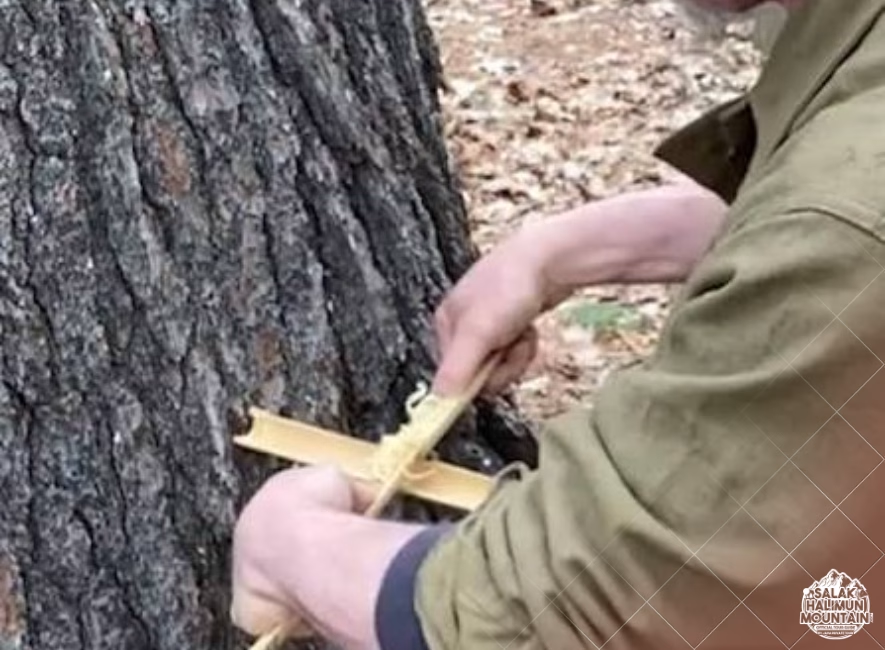
Split your harvested bamboo section vertically into four to eight long slats using a batoning technique (tapping your knife blade through the wood with a thick branch). Once the bamboo is split open, you will find that while the green or brown outer skin is wet, the pale inner wood fiber is remarkably dry and ready to burn.
Scraping Fine Tinder Shavings
To make tinder, hold a split bamboo slat firmly against your knee or a log. Using the sharp 90-degree spine of your knife or machete blade, scrape down the inner wall of the bamboo at a perpendicular angle. This scraping action produces a fluffy pile of paper-thin, dry bamboo fibers—often called “bamboo wool.”
Collect a large handful of these fine, wool-like shavings. Because of their tiny surface area and resinous composition, these processed fibers will catch a spark easily from a ferrocerium rod or match flame, even in high-humidity air.
Crafting Bamboo Feather Sticks and Matchsticks
Once your tinder nest is ready, prepare your primary kindling. Use your knife to shave fine, thin curls into the edges of your split bamboo slats, creating “feather sticks” that expose maximum surface area to the initial flame.
Next, split remaining bamboo slats into pencil-thin and matchstick-thin splints. Because bamboo splits along straight parallel grain lines, you can easily produce hundreds of uniform, dry kindling sticks in minutes. Keep your processed tinder and kindling stored on a dry leaf or tree bark sheet while preparing your fire lay.
Building the Fire Lay and Managing Ignition in Humidity
In the damp environment of Halimun, lighting your processed tinder directly on wet ground will result in failure; the cold, damp soil draws heat away from your flame before the kindling can ignite.
Build an insulating elevated platform using two thick, parallel split logs or a layer of dry tree bark placed flat on the ground. This moisture barrier keeps your tinder bed dry and allows air to flow smoothly underneath your fire base.
Structuring a Fast-Burning Bamboo Tepee or Pyramid
Place your nest of fine bamboo wool tinder in the center of the wooden base platform. Surround the tinder nest with your finest matchstick-sized bamboo splints in a compact tepee or pyramid structure, leaving a small opening on the windward side to strike your spark or match.
Ignite the tinder using a ferro rod, stormproof match, or lighter. Once the bamboo wool catches, the intense initial flame will rapidly ignite the surrounding thin bamboo splints. Gradually feed larger split bamboo slats into the fire, arranging them so heat radiates inward and dries out any remaining surface moisture before the wood burns.
Sustaining heat with Hollow Bamboo Air Dynamics
Once your fire is established, split bamboo continues to serve as an exceptional fuel source. The hollow construction of bamboo creates strong natural draft channels when placed vertically or diagonally in a fire pit.
As the fire grows, add thicker, split bamboo sections with the dry inner wood facing the coal bed. To boost heat output and revive dying embers in high-humidity air, use a hollow piece of thin bamboo as a blowpipe. Blowing gently through a 50-centimeter hollow tube directs a concentrated stream of oxygen straight into the heart of the coal bed, instantly roaring the flames back to life without blowing ash into your eyes.
Starting fires with damp bamboo in Halimun is a vital jungle craft that transforms wet forest resources into a warm, dependable survival tool. By selecting standing stalks, processing dry inner fibers into fluffy tinder, building an insulated fire platform, and utilizing smart airflow techniques, you master the art of thriving in West Java’s wild, rain-soaked mountain forests.
So, if you’re ready to explore the wonders of Mount Salak Halimun, head over to our ONLINE BOOKING PAGE and let’s start planning your adventure. Or simply CLICK THIS LINK to chat with us on WhatsApp.
With our team, you’re not just getting a guide; you’re gaining a local friend who will ensure your trip is nothing short of extraordinary.