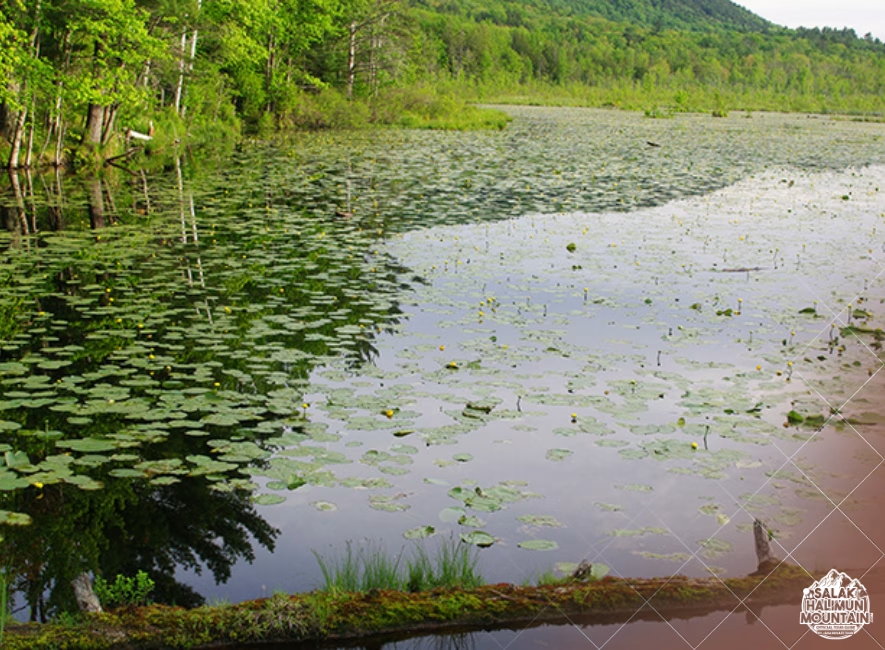
salakhalimunmountain.com – Trekking deep into the remote backcountry of Mount Halimun Salak National Park often takes expeditions far from clear, fast-flowing mountain streams. In high-elevation moss forests, ridge saddles, and swampy forest depressions, standing water, slow-moving peat pools, and mud-choked wallows may be the only available water sources. While these stagnant water bodies are life-saving hydration points in a survival situation, they carry high concentrations of suspended silt, decaying organic tannin compounds, heavy bacterial loads, and waterborne parasites. Purifying Halimun swamp water for expeditions is a critical field water-treatment discipline that transforms murky, stagnant jungle water into safe, crystal-clear drinking water.
Unlike clear alpine streams that require only basic filtration or chemical disinfection, swamp and peat water in tropical rainforests presents a dual challenge: high physical turbidity (mud, silt, leaf debris) and bio-chemical contamination (pathogens, protozoa, dissolved organic matter). Attempting to pass raw swamp water directly through a fine microfiltration membrane will instantly clog equipment, rendering expensive filters useless within minutes. By mastering a step-by-step purification protocol—combining coarse pre-filtration, natural settling, fine filtration, and final chemical or thermal sterilization—you can safely hydrate your team anywhere in Halimun’s wild terrain.
Step 1: Collection and Primary Coarse Pre-Filtration
The purification process begins at the water edge. When harvesting water from a murky swamp pool or shallow forest depression, avoid disturbing the bottom sediment layer, which stirs up fine silt and concentrated organic decay.
Skim water carefully from near the surface using a wide-mouth container, or dig a shallow collection pit 30 to 50 centimeters away from the swamp edge. Allow water to seep naturally through the soil bank into your pit; the surrounding earth acts as a natural primary filter, holding back large plant debris and coarse mud particles.
Straining Out Particulates with Cloth or Mesh
Pour your collected raw water through a clean cotton bandana, buff, or fine mesh cloth stretched tightly over your primary storage bucket or wide-mouth bottle. This initial straining stage removes floating organic matter, insect larvae, aquatic detritus, and coarse sand grains.
While coarse straining improves visual clarity, the water remains laden with suspended clay particles, microscopic organic tannins, and dangerous microorganisms that must be systematically treated in the following stages.
Step 2: Flocculation and Natural Sedimentation Settling
Suspended colloidal silt in swamp water is often too fine to be caught by fabric strainers and will rapidly blind microfiltration pores. To clarify murky water, apply flocculation—a chemical process that causes fine suspended particles to clump together into heavier clusters that sink to the bottom.
Add a small pinch of food-grade alum powder (potassium aluminum sulfate) or a few crushed seeds from natural clarifying plants (such as *Moringa oleifera*, if available) to your vessel of murky water. Stir vigorously for 1 to 2 minutes, then let the container sit completely undisturbed for 30 to 60 minutes. As the alum binds to the suspended clay and organic matter, dense flocs form and settle to the bottom, leaving a clear layer of water above a thick layer of sediment.
Decanting the Clarified Surface Water
Once settling is complete, carefully decant or siphon the clear upper water off into a secondary treatment container, taking care not to agitate or scoop up the settled mud bed at the bottom.
This critical settling step removes up to 90% of suspended solids, preserving your primary water filter’s lifespan and ensuring subsequent chemical disinfectants work with maximum efficiency.
Step 3: Fine Microfiltration and Chemical/Thermal Sterilization
With suspended solids removed, the clarified water is ready for microfiltration and pathogen eradication. Settled water may look clear, but it still contains microscopic bacteria (like *E. coli*), protozoan cysts (*Giardia* and *Cryptosporidium*), and viruses originating from animal wildlife.
Pass the decanted water through a 0.1-micron hollow-fiber membrane filter, gravity filter, or ceramic pump filter. The microfilter physically traps protozoa, bacteria, and micro-plastics. If the water retains a strong earthy odor or yellowish tannin tint from decaying peat, pass it through an activated carbon insert to absorb dissolved chemicals, bad tastes, and organic odors.
Achieving 100% Biological Sterilization
Because microfilters generally do not filter out tiny waterborne viruses, complete your treatment with a final sterilization step—especially when treating stagnant swamp water used by forest animals.
Bring the filtered water to a rolling boil for at least 1 to 3 minutes; boiling is the most absolute method to destroy all bacteria, protozoa, and viruses regardless of elevation. Alternatively, if fuel is limited, treat the filtered water with chlorine dioxide tablets or liquid chlorine treatment, allowing the full recommended contact time (usually 30 minutes to 4 hours depending on temperature) to ensure total pathogen destruction before drinking.
Equipment Maintenance and Expedition Water Discipline
Operating in high-turbidity environments like Halimun’s swamps requires diligent care of your water treatment gear to prevent equipment failure in the field.
Backwash hollow-fiber filter cartridges with clean, purified water after every filtration session to flush out remaining micro-particles from the filter fibers. Never use dirty swamp water to backwash your filter, as this will permanently contaminate the clean-water outlet port.
Safe Water Storage and Hydration Management
Store your fully purified water in clean, dedicated hydration bladders or hard bottles that have been kept entirely separate from raw water collecting containers. Mark dirty-water vessels clearly with colored tape or labels to avoid accidental cross-contamination in camp.
Purifying Halimun swamp water for expeditions requires patience, methodical technique, and the right gear protocols. By combining coarse straining, alum flocculation, fine microfiltration, and thorough boiling or chemical sterilization, you turn even the most challenging jungle water sources into safe, life-sustaining hydration for your journey across Java’s wildest national park.
So, if you’re ready to explore the wonders of Mount Salak Halimun, head over to our ONLINE BOOKING PAGE and let’s start planning your adventure. Or simply CLICK THIS LINK to chat with us on WhatsApp.
With our team, you’re not just getting a guide; you’re gaining a local friend who will ensure your trip is nothing short of extraordinary.