salakhalimunmountain.com – Have you ever noticed that a simple cup of coffee or a slice of fruit grown on the slopes of Mount Salak tastes remarkably different than anything you find in the lowlands? There is an intensity here, a deep and complex profile that lingers on the palate long after the first bite or sip. This is not a coincidence, nor is it merely the result of the fresh mountain air. The secret lies beneath the mossy forest floor, deep within the dark, crumbling earth that anchors the giant Rasamala trees. To understand why mountain soil produces strong flavors, we must look at the violent volcanic history of Mount Salak and the unique biological chemistry that occurs when high-altitude minerals meet the constant moisture of the West Javanese rainforest.
The Volcanic Alchemy of Mount Salak
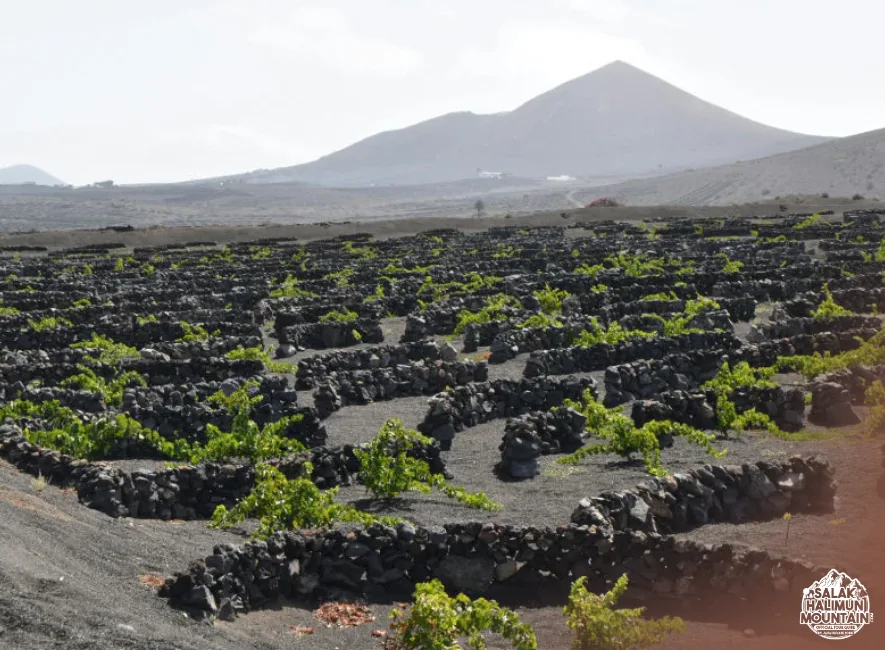
Mount Salak is a stratovolcano, a sleeping giant that has, over thousands of years, breathed life into the surrounding valleys through its ash and lava flows. This volcanic heritage is the primary reason why mountain soil produces strong flavors. When a volcano erupts, it brings minerals from deep within the Earth’s mantle to the surface—elements like potassium, phosphorus, magnesium, and calcium. These are not just nutrients; they are the building blocks of flavor. As the volcanic rock slowly weathers and breaks down in the humid rainforest environment, it releases these minerals into the soil in a form that plants can easily absorb. This mineral-rich “diet” allows crops to produce a higher concentration of the oils, sugars, and aromatic compounds that define their taste.
A Naturally Filtered Mineral Reservoir
The structure of the soil on these slopes is also unique. Volcanic soil, or andosol, is famous for its “fluffy” and porous texture. This allows the heavy rains of the Salak Halimun region to drain away quickly, preventing the roots of coffee trees or fruit palms from becoming waterlogged. However, the soil is also incredibly efficient at holding onto the minerals it contains. As the water from the high forest filters through the layers of ash and stone, it becomes a mineral-rich tea that nourishes the plants. This constant, high-quality nourishment ensures that the plant doesn’t just grow fast; it grows “deep,” concentrating its energy into the development of flavorful fruits and seeds rather than just foliage.
The Stress of Altitude: A Flavor Catalyst
While the soil provides the nutrients, the mountain environment provides the challenge. Growing on a slope is not easy for a plant. The temperatures are cooler, the mist reduces the direct sunlight, and the winds can be fierce. This environmental stress is a key factor in why mountain soil produces strong flavors. When a plant is slightly “stressed” by its environment, it naturally produces more secondary metabolites as a defense mechanism. In coffee, this manifests as higher acidity and more complex aromatics. In fruits like the Salak or Mangosteen, it results in a higher sugar-to-acid ratio. The plant is essentially working harder to survive, and that hard work is translated into the intense flavors we enjoy.
The Role of Slow Growth in Flavor Development
Because the air is cooler on the slopes of Mount Salak, the biological processes of the plants slow down. A coffee cherry or a chili pepper grown at 1,000 meters above sea level takes significantly longer to reach maturity than one grown in the hot coastal plains. This extended ripening period is crucial. It gives the plant more time to absorb the volcanic minerals and to synthesize complex sugars and essential oils. Think of it like a slow-cooked stew versus a quick stir-fry; the longer the “cooking” process on the tree, the more depth and layers of flavor are developed. This is why a Salak pondoh grown here has a floral sweetness that is far more pronounced than those grown in lower elevations.
The Organic Lifecycle of the Rainforest Floor
The flavor of the mountain is also built upon a foundation of death and rebirth. Within the protected boundaries of the Salak Halimun National Park, the soil is constantly being topped up by a thick layer of organic matter. Fallen leaves, decaying wood, and forest fruits break down into a rich humus that sits atop the volcanic base. This layer is teeming with beneficial fungi and microorganisms that work in a symbiotic relationship with the roots of the crops. This “living soil” ensures that the plants have access to a wide spectrum of natural nutrients that chemical fertilizers simply cannot replicate. This organic complexity is what gives Mount Salak produce its characteristic “earthy” and “wild” undertones.
Water: The Purest Solvent for Flavor
We cannot talk about soil without talking about the water that activates it. The water that sustains the farms near Mount Salak is among the purest in Java. Having been filtered through miles of volcanic rock and primary forest, it is free from the pollutants found in lowland water systems. When this pure water dissolves the minerals in the volcanic soil, it creates a perfect solution for the plants to drink. This purity ensures that there are no “off-flavors” introduced into the produce. When you taste a mountain-grown vegetable, you are tasting the clean, crisp essence of the springs that originate in the clouds above the Halimun ridges.
Traditional Wisdom and Soil Stewardship
The local farmers of Mount Salak have long understood the value of their “black gold.” Traditional Sundanese farming methods prioritize the health of the soil over maximum yield. You will see farmers using “mulching” techniques, where they cover the soil with rice straw or forest leaves to keep it cool and moist. They rarely use heavy machinery that would compact the porous volcanic earth. This stewardship ensures that the soil remains “alive” and productive for generations. The farmers know that if they take care of the mountain’s earth, the mountain will continue to reward them with the bold, unmistakable flavors that define their culinary heritage.
From Volcanic Rock to the Gourmet Table
The journey of flavor from a piece of volcanic rock to your plate is a long and fascinating one. It involves geology, meteorology, and the careful hands of the mountain people. When you visit these farms with us, we encourage you to look closely at the soil. Pick up a handful; feel how light and rich it is. Smell its earthy, damp aroma. It is the silent hero of every meal you eat in the Salak region. Understanding this connection changes the way you eat. You realize that you aren’t just consuming food; you are consuming the very energy of the volcano and the life-force of the rainforest.
Preserving the Taste of the Highlands
As modern agriculture moves toward more artificial methods, the naturally strong flavors produced by mountain soil become even more precious. Protecting the Salak Halimun ecosystem is not just about saving trees and wildlife; it is about protecting a unique “terroir”—a specific combination of soil and climate that exists nowhere else on Earth. By supporting local farmers and choosing mountain-grown produce, we are helping to ensure that these intense, authentic flavors don’t disappear. We invite you to come and taste the difference for yourself, to explore the slopes where the earth itself is an ingredient in every harvest.
A Journey into the Heart of Flavor
Join us on a trek that explores the relationship between the land and the crop. We will take you from the high forest trails down to the village gardens, where you can taste the coffee, the rice, and the fruits directly from the source. You will learn to identify the signs of healthy volcanic soil and see firsthand how the mountain weather interacts with the earth. It is a journey that will awaken your senses and leave you with a profound appreciation for the power of nature. Come and discover why the strongest flavors in Java are born from the dark, volcanic heart of Mount Salak.
So, if you’re ready to explore the wonders of Mount Salak Halimun, head over to our ONLINE BOOKING PAGE and let’s start planning your adventure. Or simply CLICK THIS LINK to chat with us on WhatsApp.
With our team, you’re not just getting a guide; you’re gaining a local friend who will ensure your trip is nothing short of extraordinary.