salakhalimunmountain.com – Preparing for an expedition into the deep, misty wilderness of Halimun Salak National Park is an exhilarating venture that brings you face-to-face with Java’s most raw natural beauty. The magnificent sight of dense canopy light filtering through leaves creates an unforgettable atmosphere, accompanied by the constant, soothing drone of cicada calls echoing through the ridges. However, the very characteristics that make this primary rainforest so enchanting—its steep volcanic inclines, slick clay ridges, and remote backcountry trails—also demand a high level of self-reliance. Packing the perfect first aid kit for Mount Salak trails is a critical safety measure that ensures you can manage unexpected injuries and minor medical emergencies while navigating this beautiful but unforgiving terrain.
When you are miles away from the nearest trailhead and caught in a classic tropical downpour, a well-organized medical kit is your most valuable line of defense. The soft mud trails can quickly test your balance, leading to minor slips, scrapes against sharp volcanic stone, or painful blisters from high-humidity trekking. By assembling a targeted, weather-protected medical kit tailored specifically for a tropical rainforest environment, you safeguard your personal health and gain the peace of mind needed to immerse yourself fully in the physical and spiritual rewards of the mountain journey.
The Core Essentials of a Rainforest Trauma and Wound Kit
The rugged topography of Mount Salak features jagged volcanic rocks and dense, thorny undergrowth hidden along the steep slopes. Minor cuts, deep scrapes, and punctures from sharp branches are the most common injuries hikers face on these single-tracks. Because the hot, humid rainforest air is packed with moisture and natural bacteria, even a minor scratch can rapidly become infected if left untreated. Your medical kit must contain a robust selection of wound-cleaning and dressing supplies to address these issues immediately.
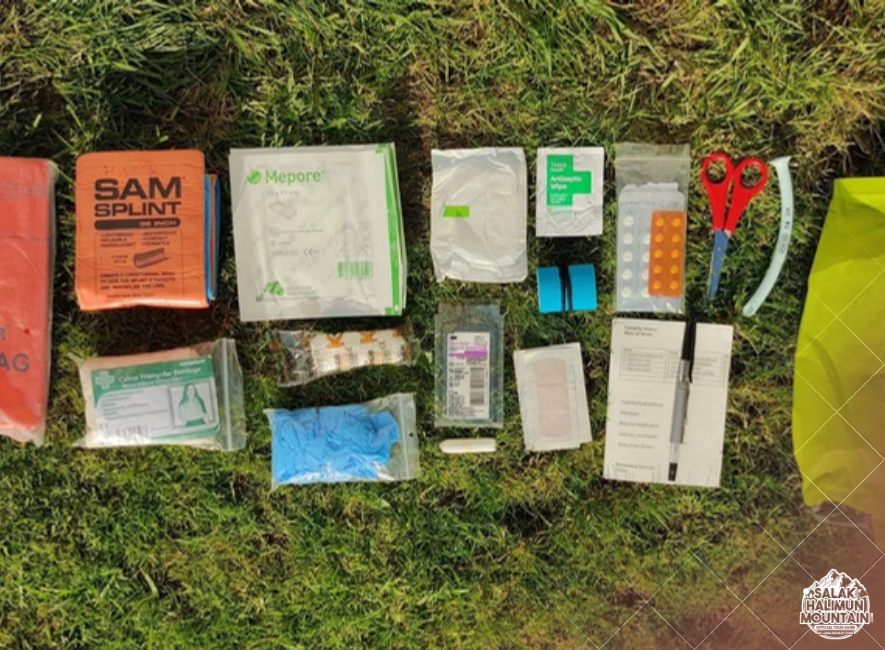
Prioritize individually wrapped antiseptic wipes, a small bottle of iodine solution, and antibacterial ointment to thoroughly cleanse dirt and volcanic grit from open wounds. For dressings, pack a variety of sterile gauze pads, medical tape, and flexible fabric bandages that can adhere to sweaty skin. Additionally, include a few heavy-duty butterfly closures or wound-closure strips, which are invaluable for holding the edges of a deeper laceration together until you can reach professional medical care at the base of the mountain.
Managing Blisters on High-Humidity Mud Trails
The combination of steep vertical elevation changes, heavy backpack loads, and feet that are constantly damp from river crossings or muddy paths creates the perfect environment for friction blisters. A severe blister on your heel or toe can completely destroy your hiking rhythm, turning an incredible trek into a painful struggle. Standard plastic bandages will quickly slide off sweaty skin, making specialized blister prevention and treatment tools absolute essentials for your kit.
Pack an ample supply of moleskin, pre-cut blister pads, or hydrocolloid gel dressings, which act like a protective second skin over hot spots. To ensure these dressings stay securely in place despite the relentless jungle moisture, include a small roll of high-adhesion medical tape or kinesiology tape to reinforce the edges. Taking a short trail break to apply protection the moment you feel a slight hot spot on your foot prevents the friction from developing into an open, painful wound, keeping you moving smoothly along the ridge lines.
Essential Medications for Tropical Backcountry Trekking
A truly comprehensive first aid kit goes beyond bandages; it must also include a targeted selection of over-the-counter medications to treat internal ailments that can arise during a strenuous wilderness journey. The intense physical effort of climbing thousands of vertical meters through high humidity places immense stress on your cardiovascular and muscular systems, frequently resulting in tension headaches, lower back strain, or acute muscle soreness by the end of a long hiking day.
Pack an assortment of anti-inflammatory pain relievers, such as ibuprofen or acetaminophen, to manage muscle aches and reduce joint swelling caused by punishing downhill descents. Additionally, carry a strip of oral rehydration salts or electrolyte replacement tablets. When mixed into your filtered water, these compounds quickly restore the essential sodium and potassium lost through heavy sweating, effectively preventing debilitating muscle cramps and heat exhaustion under the dense jungle canopy.
Defending Against Digestive Upset and Biting Insects
Even when practicing strict water filtration and purification habits along the mountain streams, changes in diet or accidental cross-contamination can lead to sudden gastrointestinal distress. Experiencing stomach cramps or diarrhea while miles away from civilization is not only incredibly uncomfortable but can quickly lead to dangerous dehydration. Including anti-diarrheal medications and antacid tablets in your medical pouch provides a swift, reliable solution to stabilize your digestive system on the trail.
Furthermore, the vibrant biodiversity of Halimun Salak includes a wide variety of industrious insects, mosquitoes, and stinging ants. Pack a powerful antihistamine cream or hydrocortisone ointment to soothe painful bites and reduce localized swelling. Carrying a few oral allergy pills is also an invaluable safeguard in case a member of your group experiences an unexpected, severe allergic reaction to a jungle plant or insect sting, ensuring you have the tools to manage the situation calmly.
Orthopedic Support for Steep Volcanic Inclines
The paths of Mount Salak are notoriously uneven, characterized by slanting ridges, deep mud ruts, and massive root networks that require high-stepping movements. When your lower body muscles become fatigued near the end of a long climb, your ankles and knees become highly vulnerable to sudden twists or sprains. An orthopedic injury can severely compromise a trekker’s mobility, making a robust joint stabilization system a crucial component of your first aid strategy.
Include at least two elastic compression bandages, commonly known as ACE wraps, in your kit. These versatile elastic bands are perfect for wrapping a sprained ankle or a strained knee, providing the structural compression and support needed to stabilize the joint so a hiker can walk safely back to the trailhead. Ensure you also pack a lightweight aluminum SAM splint, which can be easily bent and molded to immobilize a fractured wrist or a severe joint dislocation in an emergency, keeping the limb secure during transport.
The Versatility of a Standard Triangular Bandage
A traditional cotton triangular bandage is a minimalist tool that takes up virtually no space in your backpack, yet it is one of the most versatile items you can carry. In a severe emergency, it can be folded into a sling to support an injured arm, wrapped tightly over a sterile gauze pad to create a heavy pressure dressing for severe bleeding, or twisted around a sturdy stick to fashion an emergency tourniquet.
It can also be used externally to lash a temporary wood splint around an injured leg or secure an ice pack made from cold mountain river water against a swollen muscle. Taking the time to familiarize yourself with basic wilderness first aid knotting techniques transforms this simple piece of cloth into a multi-functional medical asset, providing an extra layer of adaptability when managing complex orthopedic emergencies along the steep, remote ridges of the volcano.
Tools, Instruments, and Total Weather Protection
The functionality of your first aid kit depends heavily on the specialized instruments you include to apply dressings and manage minor trail hazards. A pair of medical shears or small, sharp scissors is essential for quickly cutting medical tape, trimming moleskin to the exact shape of a blister, or removing clothing around a severe wound site. Avoid packing flimsy plastic tools; instead, invest in compact, stainless steel medical shears that can cut through tough nylon webbing if necessary.
Additionally, include a pair of fine-tipped tweezers to carefully remove embedded volcanic slivers, sharp thorns, or wood fragments from your skin. Tweezers are also the safest tool for removing ticks or small jungle leeches that may attach themselves to your ankles during deep mud plunges. A few pairs of sterile, nitrile medical gloves are another non-negotiable safety addition, protecting both the patient and the caregiver from cross-contamination and keeping the wound environment as sterile as possible in the field.
Guarding Your Medical Kit from Torrential Downpours
Given the famously unpredictable weather of the Halimun Salak region, where sudden afternoon downpours can transform paths into rushing channels of water, how you pack your first aid kit is just as important as what you put inside it. A medical kit soaked by rain or ruined by internal condensation is completely useless in an emergency. Never store your medical supplies in a standard, unsealed nylon pouch that can easily saturate and ruin sterile bandages.
The top strategy is to house your entire medical kit within a lightweight, completely waterproof roll-top dry bag or a heavy-duty, impact-resistant hard case with a rubber O-ring seal. To further organize your gear and ensure rapid access during a stressful moment, separate your supplies into clear, ziplock plastic bags labeled by category—such as “Wound Care,” “Medications,” and “Tools.” This dual layer of water protection guarantees that even if your backpack is submerged during a river crossing, your medical assets will remain bone-dry, sterile, and ready for immediate deployment.
Fostering a Culture of Safety and Deep Wilderness Responsibility
As passionate stewards of the wild and dedicated visitors to Halimun Salak National Park, our safety practices should always align with a profound respect for the natural world and the local search and rescue teams. Packing the perfect first aid kit is an act of deep personal responsibility, ensuring you do not become an unnecessary burden on local emergency resources due to a lack of basic preparation. True safety means combining premium gear with clear, focused wilderness knowledge.
Before stepping onto the soft mud trails, take the time to review your kit contents with your entire trekking group, ensuring everyone knows exactly where the medical bag is stored inside your backpack and how to use each item correctly. By preparing thoroughly, packing mindfully, and respecting the immense power of the tropical environment, you transform your expedition from a risky endeavor into a confident, soul-stirring journey. You will stand on the high, misty summits not as a vulnerable traveler, but as a resilient explorer fully prepared to embrace the timeless magic of Java’s premier mountain sanctuary. Prepare with care, look out for your companions, and let the adventure begin.
So, if you’re ready to explore the wonders of Mount Salak Halimun, head over to our ONLINE BOOKING PAGE and let’s start planning your adventure. Or simply CLICK THIS LINK to chat with us on WhatsApp.
With our team, you’re not just getting a guide; you’re gaining a local friend who will ensure your trip is nothing short of extraordinary.