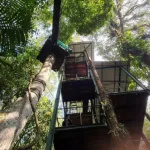
salakhalimunmountain.com – Long before you spot your first bird or insect, the canopy of Halimun makes itself known through sound. A layered chorus of calls, wingbeats, and subtle movement fills the air above the forest floor. Walking onto the Canopy Trail Cikaniki feels like stepping into the busiest neighborhood of the rainforest, where life unfolds at eye level and just beyond reach.
This elevated path offers more than a view. It offers access to the living heart of the forest. The canopy is where sunlight, food, and movement converge, making it the most active layer of the rainforest ecosystem. For those willing to move slowly and listen carefully, the Canopy Trail Cikaniki becomes a place of quiet encounters and unexpected discoveries.
Why the Canopy Is the Rainforest’s Busiest Layer
The rainforest canopy exists where sunlight is strongest and most consistent. This abundance of light fuels photosynthesis, creating dense foliage, flowers, and fruits that attract countless species. As a result, the majority of rainforest animals spend most of their lives above the ground.
From this level, you can begin to understand how the forest is built vertically. Leaves overlap in complex patterns. Branches interlock, forming natural highways for animals that rarely descend. Food sources appear in clusters rather than spread evenly, encouraging constant movement.
The canopy is also safer for many species. Predators are easier to avoid. Visibility is better. Escape routes exist in every direction. This makes the canopy not just productive, but strategic.
Birdlife Along the Canopy Trail Cikaniki
Birds are often the most noticeable wildlife encountered along the Canopy Trail Cikaniki. From this height, visitors stand within the natural flight paths and feeding zones of many forest species.
Some birds move confidently through open spaces between trees, while others prefer to remain hidden among leaves. You may hear sharp calls, soft whistles, or rapid chatter before catching a glimpse of movement. Sightings are often brief, but memorable.
Early mornings tend to be the most active period. Birds search for food after the night’s rest, calling to one another across the canopy. As the day warms, activity slows, and many species retreat into denser foliage.
Watching birds from the canopy requires patience. Standing still often yields better results than walking continuously. When movement pauses, the forest resumes its rhythm.
Insects Butterflies and Small Life in Motion
Insects dominate the canopy in both number and importance. They pollinate plants, recycle organic matter, and form the foundation of the food chain. Along the Canopy Trail Cikaniki, their presence is constant, though not always obvious.
Butterflies drift through sunlit openings, their wings catching flashes of color against green leaves. Dragonflies patrol open air above the trail, responding quickly to changes in light and wind.
Look closely at leaves and branches, and you may notice ants moving in organized lines, beetles clinging to bark, or spiders waiting patiently in delicate webs. These small lives operate on a scale that rewards slow observation.
Insect activity often peaks as temperatures rise. Late morning and early afternoon bring increased movement, especially on sunny days when light penetrates deeper into the canopy.
Occasional Mammal Sightings in the Upper Forest
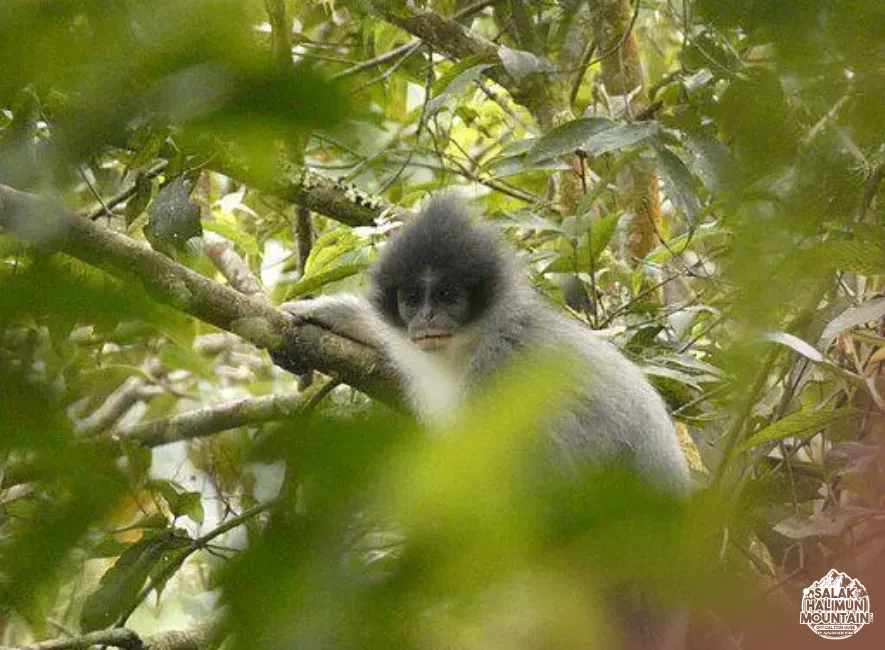
Mammals are less commonly seen than birds or insects, but the canopy is their primary domain. Some species move silently through branches, blending into shadows and foliage.
Sightings depend heavily on timing, noise levels, and luck. Early morning offers the best chance, when the forest is quieter and animals are transitioning between resting and feeding.
Even when mammals remain unseen, signs of their presence appear in subtle ways. Shaking branches, rustling leaves, or sudden silence among birds can signal movement nearby.
Guides trained in reading these signs can help visitors understand what is happening around them, even when visibility is limited.
Morning Versus Afternoon Wildlife Activity
The rhythm of the canopy changes throughout the day. Mornings are generally cooler and more active. Birds call frequently, insects begin their daily cycles, and the forest feels alert.
As the sun rises higher, temperatures increase and activity shifts. Some animals rest, while others take advantage of warmer conditions. Insects often become more visible, while birds may retreat into shade.
Late afternoon brings another subtle change. Light softens, shadows lengthen, and some species reemerge. Each time period offers a different experience, shaped by temperature, light, and sound.
Understanding these patterns helps visitors set realistic expectations and appreciate the forest on its own terms.
Listening More Than Looking
In the canopy, sound is often more informative than sight. Leaves block views, branches create layers, and movement is rarely obvious. Listening becomes the primary tool for understanding wildlife presence.
Bird calls signal territory, warning, or communication. Insect rhythms create a steady background, changing subtly when something passes through. Sudden silence can be as meaningful as loud activity.
Closing your eyes for a moment can heighten awareness. Without visual distraction, the forest reveals patterns that are otherwise easy to miss.
This approach transforms the canopy walk from a search for sightings into an experience of connection.
How Human Noise Changes Animal Behavior
Noise travels differently at canopy level. Voices carry farther, and sudden sounds echo through branches. Animals respond quickly, often retreating or falling silent.
Even low-level chatter can disrupt feeding or communication. Repeated disturbance teaches animals to avoid certain areas, reducing future sightings for everyone.
Quiet movement allows wildlife to continue natural behavior. When visitors slow down and lower their voices, the canopy becomes active again.
Respecting sound levels is one of the simplest and most effective ways to protect the forest experience.
Why Guided Visits Matter for Wildlife Encounters
Guided walks along the Canopy Trail Cikaniki increase both safety and understanding. Experienced guides know where to pause, when to wait, and how to interpret signs of wildlife activity.
They help visitors recognize calls, identify movement, and understand why certain animals appear or remain hidden. This knowledge turns brief glimpses into meaningful encounters.
Guides also ensure that visitors follow proper behavior, protecting both people and wildlife. In sensitive environments like the canopy, this balance is essential.
With guidance, the trail becomes more than a walkway. It becomes a lesson in coexistence.
A Living Classroom Above the Forest Floor
The Canopy Trail Cikaniki offers a rare opportunity to observe rainforest life where it thrives most. It challenges visitors to slow down, listen, and respect the complexity of the ecosystem.
Each encounter, whether visual or auditory, is a reminder that the forest operates on its own schedule. Human presence is temporary. The canopy endures.
Walking away from the trail, many visitors carry a deeper appreciation for the unseen layers of the rainforest. Wildlife becomes less about sightings and more about understanding.
So, if you’re ready to explore the wonders of Mount Salak Halimun, head over to our ONLINE BOOKING PAGE and let’s start planning your adventure. Or simply CLICK THIS LINK to chat with us on WhatsApp.
With our team, you’re not just getting a guide; you’re gaining a local friend who will ensure your trip is nothing short of extraordinary.