salakhalimunmountain.com – If you’ve ever wondered why Mount Halimun–Salak National Park has so many rules for hikers, trekkers, and nature lovers, the answer is simple: this is not a theme park—it’s one of Java’s wildest, most alive rainforests. As someone who has walked these misty trails for years, I can tell you that every regulation exists for a reason rooted in nature, culture, and safety.
From active volcanic zones and slippery jungle terrain to rare wildlife and sacred sites, the safety rules in Halimun–Salak National Park are not obstacles to adventure—they are guardians of it.
A Living Landscape Shaped by Volcanoes
Mount Salak Is an Active Volcano
Mount Salak may look calm beneath its cloak of rainforest, but beneath the soil, volcanic forces are still at work. While major eruptions are rare, minor activity such as gas release, ground instability, and geothermal heat is very real.
Safety rules help authorities manage access to areas that may suddenly become dangerous, especially after heavy rainfall or seismic changes. Closing trails or limiting visitor numbers is not about restriction—it’s about preventing accidents before they happen.
Poisonous Gases in Volcanic Zones
One of the most misunderstood dangers in Halimun–Salak National Park is volcanic gas. Areas like Kawah Ratu can release sulfur-rich gases that are invisible, odorless at times, and disorienting. In certain conditions, these gases can cause dizziness, hallucinations, or breathing difficulties.
That’s why visitors are instructed not to linger near steam vents and to follow ranger or guide instructions closely. What looks like harmless mist can quickly turn hazardous.
The Rainforest Terrain Is Beautiful—and Unforgiving
Perpetually Slippery Trails
The forest floor in Halimun–Salak is almost always damp. Moss-covered stones, wet roots, and clay soil become extremely slippery, especially during the rainy season. One careless step can result in serious injury far from help.
Rules encouraging slow pacing, proper footwear, and guided trekking exist because the jungle does not forgive haste.
Steep and Unpredictable Landscapes
This national park is not flat terrain. Trails climb steep ridges, descend into ravines, and cross narrow river valleys. Weather can change in minutes, turning a manageable path into a dangerous slope.
Local guides understand these micro-conditions—knowing when to turn back, when to wait, and when to reroute. This knowledge cannot be replaced by maps or GPS alone.
Protecting Fragile Ecosystems
One of Java’s Last Primary Rainforests
Halimun–Salak is home to one of the largest remaining tracts of primary rainforest on Java. The ecosystem is incredibly sensitive. Leaving trails, littering, or disturbing vegetation can cause long-term damage.
Rules such as staying on designated paths and carrying out all waste are essential to keep this ecosystem intact—not just for today’s visitors, but for generations to come.
Rare and Endangered Wildlife
The park is a sanctuary for extraordinary species, including the Javan leopard, Javan gibbon, and Javan lutung. These animals are shy, territorial, and increasingly vulnerable.
Restricted access to certain areas protects breeding grounds and minimizes stress on wildlife. When humans follow rules, animals can continue living unseen—and unharmed.
Cultural and Spiritual Significance
Sacred Sites in the Forest
Many parts of Halimun–Salak are spiritually significant to local communities. Springs, caves, and forest clearings are often considered sacred, used for rituals and traditional ceremonies.
Safety rules and access limitations also serve to protect cultural heritage. Respecting these guidelines means honoring the people who have lived alongside this forest long before it became a national park.
Why Permission and Local Guidance Matter
Some areas require special permission or accompaniment by local guides—not just for safety, but for cultural respect. A guide acts as a bridge between visitors and local traditions, ensuring no boundaries are crossed unintentionally.
Navigation and Emergency Risks
Getting Lost Is Easier Than You Think
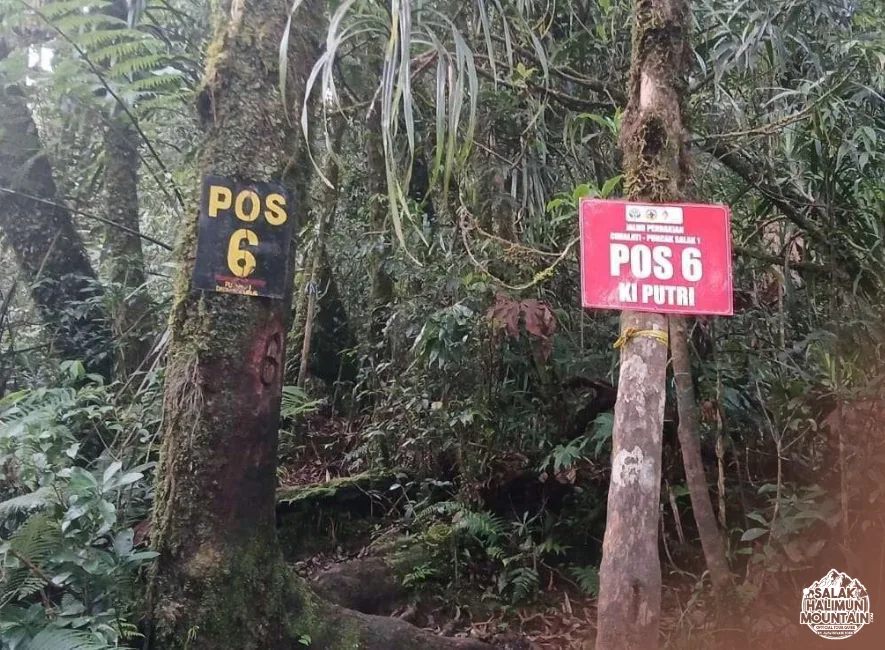
The Halimun rainforest is dense and visually repetitive. Trails can disappear under fallen leaves, fog can reduce visibility to a few meters, and landmarks are scarce.
Many past incidents in Mount Salak involved experienced hikers who underestimated how easy it is to lose direction here. This is why guides and trail registration are mandatory in many zones.
Sudden Floods and Weather Changes
Heavy rainfall upstream can cause flash floods without warning. River crossings that appear calm can become deadly within minutes.
Park regulations often restrict river access during certain seasons—and for good reason. These rules save lives.
Why These Rules Truly Matter
Preventing Accidents Before They Happen
From slips and falls to gas exposure and disorientation, most risks in Halimun–Salak are preventable. Safety rules exist because too many lessons were learned the hard way in the past.
Ensuring Sustainable Tourism
Without regulation, the park would suffer erosion, wildlife displacement, and cultural loss. Rules allow tourism to exist without destroying what makes this place special.
Supporting Local Expertise
Hiring local guides doesn’t just increase safety—it supports conservation, local livelihoods, and knowledge passed down through generations.
And this is where Java Private Tour stands apart. We are not a generalist tour operator. We are specialists who deeply understand Indonesia’s natural landscapes, local regulations, and cultural sensitivities—especially in complex environments like Halimun–Salak.
Your Safety Is Part of the Experience
When you follow the rules of Halimun–Salak National Park, you’re not limiting your adventure—you’re allowing it to unfold safely, respectfully, and meaningfully.
So, if you’re ready to explore the wonders of Halimun–Salak National Park safely and responsibly, head over to our REQUEST PAGE and let’s start planning your adventure. Or you can simply CLICK THIS LINK to chat with us on WhatsApp. With Java Private Tour, you’re not just getting a guide; you’re gaining a friend who will ensure your trip is nothing short of extraordinary. See you in Java!