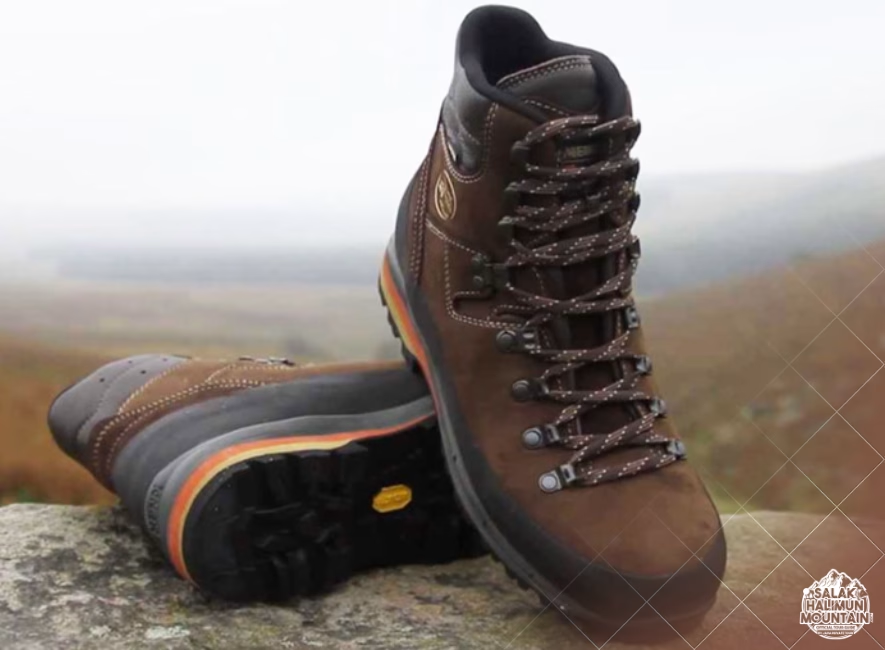
salakhalimunmountain.com – Trekking through the lush, rain-drenched rainforests of Mount Salak and Halimun National Park subjects your footwear to extreme conditions. Crossing muddy ridge trails, wading through mountain streams, and navigating relentless tropical humidity means your boots spend days completely saturated. Once you return home from an expedition, improper storage can quickly lead to degraded leather, delaminated soles, unpleasant odors, and fungal growth—commonly referred to as “jungle rot.” Learning the correct methods for cleaning, drying, and storing trekking boots to prevent jungle rot is essential to protect your investment and ensure your footwear is ready for your next rainforest adventure.
Jungle rot in footwear occurs when moisture, organic mud, and fungal spores remain trapped inside the boot’s materials over an extended period. High heat or enclosed, unventilated storage spaces only accelerate material decay, causing glue to fail and leather to stiffen and crack. By implementing a thorough cleaning protocol, proper ambient drying techniques, and a climate-controlled storage setup, you can keep your boots durable, comfortable, and mold-free for years to come.
Step 1: Deep Cleaning and Organic Mud Removal
Before storing your boots, every trace of forest mud, plant detritus, and organic matter must be removed. Rainforest soil in Mount Salak contains active micro-organisms and acidic compounds that degrade leather, synthetic fibers, and stitching if left to dry on the boot surface.
Remove the laces and insoles (footbeds) completely to open up the boot tongue. Use a soft-bristled brush and lukewarm water to scrub away dried mud from the uppers, seams, metal eyelets, and deep tread grooves on the outsole. For stubborn grime or embedded trail odors, use a specialized footwear cleaner or mild saddle soap. Avoid harsh household detergents, bleach, or solvents, as these strip essential oils from leather and weaken factory waterproofing membranes.
Sanitizing the Boot Interior
Fungi and odor-causing bacteria thrive inside dark, damp boot linings after long days on the trail. Wipe down the inner lining of the boot using a damp microfiber cloth lightly dipped in a mixture of water and mild antibacterial soap or diluted isopropyl alcohol.
Rinse the footbeds thoroughly in warm water, scrub them clean, and allow them to dry completely separate from the boots. Cleaning the interior prevents fungal spores from lying dormant and multiplying during off-season storage.
Step 2: Ambient Drying Without Thermal Damage
The most critical phase in preventing jungle rot is drying your boots thoroughly before putting them away. However, rushing the drying process with direct heat sources is one of the fastest ways to ruin high-quality trekking footwear.
Never place wet boots near a campfire, radiator, direct midday sun, or inside a hot mechanical dryer. High heat bakes and shrinks leather, causes rubber randings to crack, and melts the adhesives holding the midsole and outsole together, leading to premature sole delamination.
Safe Drying Techniques with Newspaper and Airflow
To dry your boots safely, place them in a cool, well-ventilated indoor room with steady airflow. Stuff the inside of each boot tightly with clean, crumpled newspaper or paper towels to draw moisture out from the deep internal padding.
Replace the damp newspaper every few hours during the first day. Once the interior is mostly dry, remove the paper and set up a small electric desk fan or boot dryer (using room-temperature air only) blowing directly into the open tongues. Allow the boots to air-dry completely for 24 to 48 hours before proceeding to storage.
Step 3: Leather Conditioning and Waterproofing Refresh
Once your boots are entirely dry to the touch, assess the material condition. Saturated trail conditions followed by drying can strip natural lubricants from full-grain or nubuck leather, leaving it brittle and susceptible to cracking.
Apply a breathable leather conditioner or water-based waterproofing wax recommended by your boot manufacturer. Work the conditioner evenly into the leather using a soft cloth, paying close attention to flex points around the toes and ankle joints. For synthetic or combination boots, spray a durable water repellent (DWR) coating over the outer fabric to restore water-beading performance while maintaining breathability.
Step 4: Long-Term Storage in Climate-Controlled Environments
Where and how you place your boots after conditioning determines whether they stay in prime condition or suffer from jungle rot during humid off-seasons.
Never store damp or clean boots inside airtight plastic bags, sealed plastic storage bins, damp basements, or uninsulated outdoor garages. Trapped air inside sealed containers creates a greenhouse effect that fosters rapid mold growth, while high ambient humidity in closed spaces causes polyurethane midsoles to break down through hydrolysis (hydrolytic degradation).
Creating an Optimal Storage Environment
Store your boots in a dry, dark, climate-controlled space with natural air circulation, such as a closet shelf or open storage rack. Keep the laces loosely tied to help the boots hold their natural ergonomic shape without creasing the tongue.
Place a few silica gel packets, activated charcoal pouches, or a small cedar shoe tree inside each boot during storage. These natural desiccants actively absorb ambient moisture, neutralize lingering odors, and prevent mold spores from settling on the leather lining.
Taking the time to clean, dry, condition, and store trekking boots properly to prevent jungle rot ensures your essential footwear remains reliable, comfortable, and ready for every rugged trail across Mount Salak and Halimun National Park.
So, if you’re ready to explore the wonders of Mount Salak Halimun, head over to our ONLINE BOOKING PAGE and let’s start planning your adventure. Or simply CLICK THIS LINK to chat with us on WhatsApp.
With our team, you’re not just getting a guide; you’re gaining a local friend who will ensure your trip is nothing short of extraordinary.