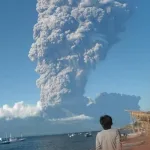
salakhalimunmountain.com – Deep beneath the forests of Mount Salak lies an enormous source of natural heat. While hikers see misty trails, waterfalls, and dense rainforest, powerful geothermal energy is quietly circulating underground. This hidden heat comes from the same volcanic forces that formed the mountain itself.
In West Java, Mount Salak is not only a beautiful natural landscape. It is also one of Indonesia’s important geothermal energy locations. Steam rising from deep underground is captured and converted into electricity that powers homes and industries. Although the process may sound complex, the basic idea behind geothermal energy is surprisingly simple.
Understanding how geothermal energy works around Mount Salak helps reveal another fascinating side of this volcanic mountain.
What Geothermal Energy Actually Means
The word geothermal comes from two Greek words. “Geo” means Earth, and “thermal” means heat. Geothermal energy simply refers to heat that naturally exists inside the Earth.
Our planet’s interior is extremely hot. In volcanic regions like Mount Salak, this heat rises closer to the surface. Magma chambers beneath the mountain warm surrounding rocks and groundwater, creating underground reservoirs of hot water and steam.
These reservoirs can be accessed through carefully drilled wells. When the hot steam reaches the surface, it can be used to generate electricity.
Why Mount Salak Has Strong Geothermal Potential
Mount Salak sits within the volcanic belt of West Java, a region shaped by the movement of tectonic plates. The same geological processes that formed volcanoes also create ideal conditions for geothermal systems.
Beneath Mount Salak, underground magma continues to heat the surrounding rock layers. Rainwater that seeps into the ground travels downward through cracks and porous volcanic soil. When this water reaches hot rocks near magma chambers, it heats up dramatically.
The heated water turns into pressurized steam, which naturally tries to rise back toward the surface. This continuous cycle forms the geothermal system that energy facilities tap into today.
How Geothermal Power Plants Work
Geothermal power plants around Mount Salak use a relatively straightforward process to convert underground heat into electricity.
1. Drilling Wells Into the Earth
Engineers drill deep wells into the geothermal reservoir beneath the mountain. These wells reach areas where hot water and steam are trapped under pressure.
2. Capturing Steam
When the wells are opened, steam naturally flows upward toward the surface. This steam is extremely hot and contains large amounts of energy.
3. Turning Turbines
The steam is directed toward turbines inside the power plant. As the steam moves through the turbines, it causes them to spin rapidly.
4. Generating Electricity
The spinning turbines power generators that produce electricity. This electricity is then transmitted through power lines to homes, businesses, and cities.
After the steam cools, the water is often reinjected back underground, allowing the geothermal system to continue operating sustainably.
A Renewable Energy Source
One of the biggest advantages of geothermal energy is that it is renewable. As long as the Earth continues producing heat beneath the surface, geothermal systems can keep generating power.
Unlike fossil fuels such as coal or oil, geothermal energy does not rely on burning materials. This means it produces far fewer greenhouse gas emissions.
For a country like Indonesia, which sits along the Pacific Ring of Fire and contains many volcanoes, geothermal energy represents a major opportunity for sustainable electricity generation.
The Mount Salak Geothermal Project
The geothermal power facilities near Mount Salak are among the largest in Indonesia. These plants convert the mountain’s underground heat into significant amounts of electricity.
The power produced here helps supply energy to parts of West Java, including nearby urban areas. By using geothermal resources, the region reduces its dependence on fossil fuels while taking advantage of its natural volcanic environment.
Even though these facilities operate close to rainforest landscapes, they are carefully managed to minimize environmental impact.
Natural Signs of Geothermal Activity
If you explore the forests around Mount Salak, you may notice subtle signs of geothermal activity. Warm ground, sulfur smells, and occasional steam vents can sometimes be found in volcanic environments.
Hot springs are another common indicator of geothermal systems. These occur when heated groundwater rises naturally to the surface.
Although most geothermal reservoirs remain deep underground, these natural clues reveal the immense heat hidden beneath the mountain.
Balancing Energy and Conservation
Mount Salak is surrounded by Halimun Salak National Park, one of the most important rainforest conservation areas in Java. Because of this, geothermal development in the region must balance energy production with environmental protection.
Careful planning helps ensure that forests, wildlife habitats, and water systems remain protected while geothermal resources are utilized responsibly.
This balance allows Mount Salak to contribute both to biodiversity conservation and sustainable energy production.
A Different Way to See the Mountain
For many visitors, Mount Salak is known for its waterfalls, rainforest trekking routes, and mist covered peaks. Yet beneath this peaceful landscape lies a powerful natural engine fueled by the Earth’s internal heat.
Geothermal energy reminds us that volcanic mountains are not only scenic destinations. They are dynamic geological systems that continue shaping the environment and supporting human life in unexpected ways.
The forests above and the heat below are both part of the same remarkable mountain.
So, if you’re ready to explore the wonders of Mount Salak Halimun, head over to our ONLINE BOOKING PAGE and let’s start planning your adventure. Or simply CLICK THIS LINK to chat with us on WhatsApp.
With our team, you’re not just getting a guide; you’re gaining a local friend who will ensure your trip is nothing short of extraordinary.