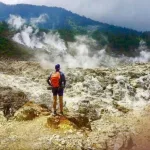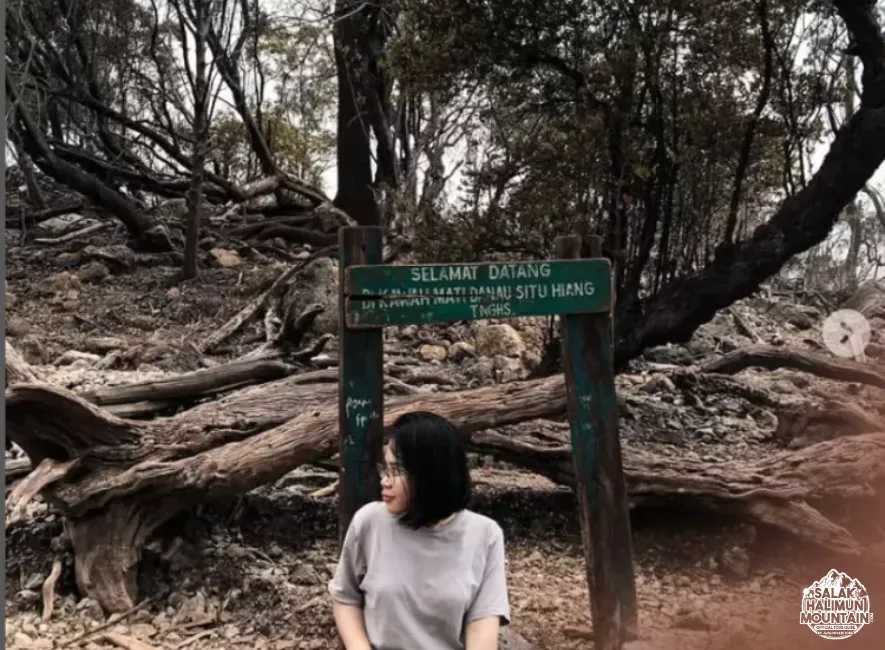
salakhalimunmountain.com – Situ Hiang is not a loud place. It does not compete for attention. It rests quietly beneath the slopes of Mount Salak, reflecting clouds, forest edges, and passing light without asking for applause. That is precisely why visiting Situ Hiang responsibly matters. When a place survives because of its calm, even small disruptions can change its character.
If you are planning to visit Situ Hiang responsibly, understand first what it is not. It is not a theme park. It is not a staged photo backdrop. It is not a high traffic recreation zone built for constant entertainment. It is a living lake connected to farmland, forest, and village life in southern Bogor.
Situ Hiang Is Not a Selfie Destination
In recent years, many natural spots in Bogor have been transformed into photo driven attractions. Platforms are built. Decorative installations appear. Crowds gather for a few minutes of images before moving on.
Situ Hiang feels different because it has not been reshaped for performance. Its beauty lies in stillness. Mist drifting across the water at sunrise. Soft reflections of trees along the shore. The distant presence of Mount Salak anchoring the horizon.
When visitors treat it purely as a selfie destination, they often rush. They speak loudly. They step into fragile shoreline areas for a better angle. They leave behind plastic cups or snack wrappers without thinking.
Ethical travel in Bogor means understanding that some places are meant to be experienced slowly. Instead of chasing photos, sit quietly for a few minutes. Watch how the water changes under shifting light. Let the lake reveal itself naturally.
Trash and the Fragile Lake Ecosystem
Trash is one of the most immediate threats to small lakes like Situ Hiang. Plastic does not disappear into water. It breaks into smaller fragments, sinks into sediment, or drifts into irrigation channels that support nearby farmland.
This lake near Mount Salak is part of a larger environmental system. Water flowing into Situ Hiang may eventually support crops or move downstream. When visitors leave litter behind, they are not just affecting scenery. They are impacting livelihoods.
Even organic waste can disturb balance. Food scraps attract animals to areas they do not normally gather. Fishing lines left behind can entangle birds or aquatic life. Small actions have visible consequences in compact ecosystems like this one.
If you truly want responsible tourism around Mount Salak, follow simple principles:
- Bring reusable water bottles
- Carry all trash back with you
- Avoid single use plastics
- Do not throw cigarette butts near the shore
- Leave the area cleaner than you found it
These actions protect not only the lake but also the dignity of the local community who depends on it.
Respecting Private Land and Local Boundaries
Situ Hiang is surrounded by farmland and village property. Not every open space is public. Rice fields, vegetable plots, and irrigation paths are working areas maintained by families who rely on them daily.
Visitors sometimes step into fields for photos or shortcut across planted areas to reach the water. This damages crops and disrupts irrigation systems that farmers have carefully arranged.
Responsible visits to Situ Hiang require awareness. Stay on visible paths. Ask permission if you are unsure about access. Do not enter farmland without invitation. Avoid climbing trees or structures that belong to residents.
Respect for private land reflects respect for people. Ethical travel near Mount Salak means understanding that landscapes here are not empty backdrops. They are lived in environments shaped by generations.
Quiet Behavior Preserves the Atmosphere
One of Situ Hiang’s greatest strengths is its quiet atmosphere. You can hear wind moving through bamboo. You can hear frogs at dusk and birds at sunrise. Loud music or shouting immediately breaks this natural rhythm.
Unlike commercial lake attractions, Situ Hiang does not have zones designed to absorb noise. Sound travels easily across water. A single speaker can disrupt the entire shoreline.
If you come with friends, keep conversations gentle. Avoid playing music from portable speakers. Respect the fact that some visitors may be there seeking reflection or calm.
Responsible tourism around Mount Salak is not about restriction. It is about awareness. When we reduce noise, we allow the forest, water, and wildlife to remain the primary voice of the landscape.
Supporting Locals Without Disruption
Tourism can bring positive benefits when approached thoughtfully. Buying snacks from local stalls, hiring local guides, or contributing to small entrance fees can support families around Situ Hiang.
However, support must not turn into disruption. Large uncontrolled groups can overwhelm limited facilities. Demanding modern infrastructure in a rural setting pressures communities to change their environment to meet outside expectations.
The best way to support Situ Hiang village life is through balance. Spend respectfully. Engage politely. Learn about daily routines without interrupting them.
If you see fishermen working at dawn, observe quietly from a distance. If farmers are tending crops near the lake, avoid blocking paths or interfering with irrigation channels. Appreciation does not require intrusion.
The Role of Mount Salak in Responsible Travel
Situ Hiang sits within the environmental influence of Mount Salak. Rainfall from the mountain feeds surrounding waterways. Forest health upstream directly affects water clarity and stability downstream.
When we speak about responsible tourism near Mount Salak, we are speaking about interconnected systems. Protecting a small lake contributes to the larger ecological balance of the region.
Visitors who hike, camp, or explore nearby forest areas should carry the same respect. Do not disturb wildlife. Avoid removing plants or rocks. Follow local regulations and community guidance.
The mountain and the lake are part of the same story.
How to Visit Situ Hiang Responsibly
Here is a simple guide for thoughtful travelers:
- Arrive with the intention to observe, not dominate
- Minimize waste and carry everything back
- Stay on established paths
- Keep voices and music low
- Respect private land and working farms
- Support local businesses modestly and respectfully
These steps may seem basic, but they preserve the quiet character that makes Situ Hiang special.
Choosing Depth Over Distraction
In a world filled with fast content and instant images, choosing to visit Situ Hiang responsibly is a small but meaningful act. It means valuing atmosphere over attraction. It means understanding that a hidden lake in Bogor remains hidden because it has not been reshaped by excessive demand.
When you sit by the water and watch Mount Salak’s silhouette in the distance, you realize that not every destination needs development to be valuable. Sometimes preservation is the greatest gift we can offer.
Situ Hiang rewards those who approach quietly. It offers reflection, cool air, and a connection to both forest and village life. Responsible tourism around Mount Salak ensures that this balance remains intact for years to come.
So, if you’re ready to explore the wonders of Mount Salak Halimun, head over to our ONLINE BOOKING PAGE and let’s start planning your adventure. Or simply CLICK THIS LINK to chat with us on WhatsApp.
With our team, you’re not just getting a guide; you’re gaining a local friend who will ensure your trip is nothing short of extraordinary.